North India Coordinates 48°C Heatwave Today: Why You Should Never Charge Your EV Immediately After a Long Afternoon Drive

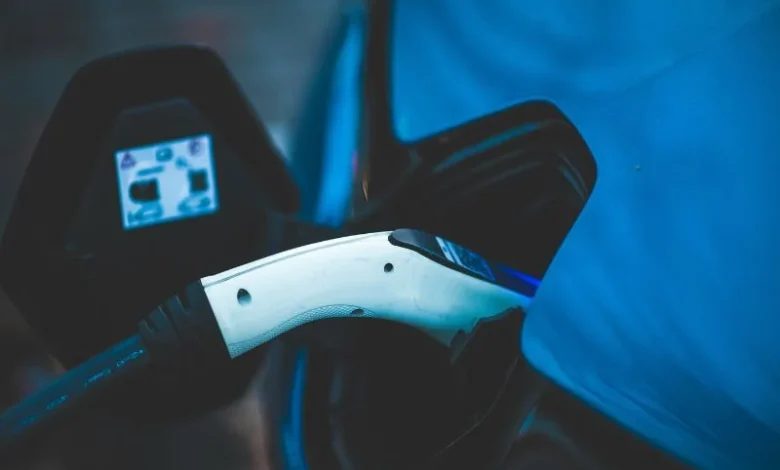
As temperatures approach 48°C across parts of Rajasthan, Delhi, and Uttar Pradesh, electric vehicle owners are being warned to avoid one common mistake during extreme heatwaves — plugging in their EV immediately after a long afternoon drive.
Experts say modern EVs are designed to handle high temperatures, but charging a battery that is already overheated from road heat, traffic, and air-conditioning load can place additional thermal stress on the system.
Why Afternoon Driving Heats EV Batteries So Much
During a severe heatwave, EV batteries already operate under difficult conditions.
Long highway drives, stop-and-go traffic, cabin AC usage, and road temperatures exceeding 50°C all increase battery temperature significantly.
Why Experts Recommend Waiting Before Charging
EV specialists say allowing the battery to cool slightly before charging may reduce unnecessary heat stress.
Even a short cooling period in a shaded parking area can help stabilise battery temperature before connecting to a fast charger.
This becomes especially important during extreme heatwaves above 45°C.
Heatwave Impact & Daily Life Challenges
Explore why sleeping nights hot cities?
Discover causes and simple ways to sleep better.
Check Delhi Odisha warm evenings risk?
Explore hidden health risks of unusual night heat.
Discover water tankers urban India need?
Check why cities increasingly depend on tanker supply.
Explore heatwaves impact school outdoor rules?
Discover how extreme heat is reshaping school activities.
Check life at 50 degree Dubai?
Explore how people adapt to extreme summer conditions.
Does Heat Also Reduce EV Range?
Extreme temperatures can slightly reduce driving efficiency because cooling systems and air conditioners consume additional energy.
However, experts say the larger concern in India is long-term battery stress from repeated overheating cycles rather than short-term range loss.
Could Heatwaves Affect Public Charging Infrastructure Too?
In extreme temperatures, charging of the hardware may not function at optimal efficiency. Additionally, some sites will cut back the power to the charger automatically in order to avoid damage to the delicate internal electronics; therefore in addition to a major increase in the amount of time it takes to charge during peak afternoon summer hours, the circuitry may also not have the necessary power to charge your vehicle just prior to you needing to charge it.
Final Words
While the modern day electric vehicle has maintained a level of safety during high heat, experts are now encouraging good heat management practices and better knowledge of when to charge as being two of the biggest factors in deciding how to maintain the long-term health of your vehicle’s battery. During a heat wave day with temperatures of 48 degrees Celsius; the best protection that an EV (electric vehicle) owner can give their battery may be to wait to plug it in until the temperature starts to decrease.
FAQs
Why should an EV not be charged right after a long trip during extreme heat?
Your battery may be too hot to charge at that time, and charging immediately further increases the thermal load on it.
What is thermal throttling?
It is a safety measure in which the EV decreases the rate at which it charges its battery to prevent overheating.
What is the best time to charge during a heat wave?
The best time to charge during a heat wave is either early in the morning, late in the evening, or during the night hours.
Will extreme heat ruin an EV battery?
Repeated overcharging or charging during extreme heat can increase the long-term degradation of the battery.