
Life at 50°C: How People in Dubai Survive Extreme Summers
Discover how people survive Dubai’s 50°C summers with smart city design, air conditioning, and lifestyle changes to beat extreme heat conditions.

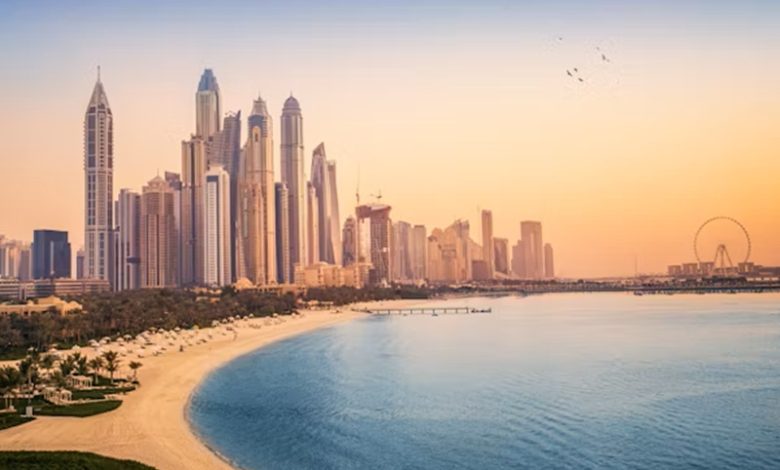
Dubai’s summers can reach extremely high temperatures due to its environment. In fact, summer temperatures in Dubai often reach between 45 – 50 degrees Celsius. The high humidity levels along the coast further add to the discomfort of this environment. Nonetheless, these hot days in Dubai do not hinder daily life; rather, they influence the way the city is constructed to decrease contact with heat as much as possible, while increasing the ease of cooling.
The difference in surviving in Dubai is not about the ability of people to tolerate the heat; it is, rather, about the ability of people to strategically avoid the heat. Each and every element of life in Dubai, from how people move through the city to building design, works to minimize the amount of time people spend in contact with high temperatures directly.
How the City Is Built to Beat the Heat
The construction of Dubai has made it very easy for residents of the city to cope with hot temperatures. For instance, buildings are built with very high levels of insulation, reflective surfaces, and central air conditioning so that people can maintain comfortable and cool indoor environments.
In addition, public spaces (bus stops, metro stations, and malls) are equipped with air conditioning systems, making it possible for people to get from one location to another without being outside for overly long periods of time. Also, in many areas of the city, covered or shaded walkways have been constructed to reduce the impact of the heat on pedestrian traffic.
Lifestyle Adjustments That Make It Possible
Dubai’s residents also adapt their lifestyle habits to the heat rather than trying to combat it. Generally, outdoor activities do not occur until morning or night when it is cooler than during the day. During the day, most residents remain indoors or travel between air conditioned public spaces.
The Hidden Cost of Extreme Cooling
While Dubai’s air conditioning system is effective for the majority of its inhabitants, it does come at a cost. Air conditioning requires a lot of energy, so it has environmental and financial costs associated with that usage.
Outdoor workers are particularly vulnerable to the heat – even though there are regulations in place to limit outdoor work during the middle hours of the summer. This exemplifies the challenge that there is a safe option for the majority of people to perform work, however, not all people can perform the same level of work safely.
Final Words
Living in 50 degrees Celsius in Dubai is a lesson in adaptation via design and behaviour. Dubai has shown that it is possible to manage extreme weather conditions; however, this is only possible if you have developed a smart infrastructure, made significant changes in your lifestyle and continue to invest in your cities as the climate continues to change. As global temperatures continue to rise, other cities that are experiencing similar extremes may find this model useful.
FAQs
1. How do people live in 50 degrees Celsius?
Most people avoid the heat of the day and rely on either air-conditioned transport and/or buildings.
2. Is it safe to live in 50 degrees Celsius?
Yes, but with adequate infrastructure to provide for you safely and taking basic precautions, the risk of living in the heat is still present.
3. Do people still work in 50-degree Celsius heat?
Yes, however, there are conditions of outdoor work in 50 degrees Celsius that restrict the amount of outdoor work during peak hours.
4. What is your greatest obstacle?
Creating a balance between comfort and high energy use, and protecting vulnerable workers from the heat.