
Why Water Tankers Are Becoming Essential in Urban India
Water tankers are becoming a daily necessity in Indian cities due to water shortages, rapid urban growth, and weak infrastructure. Learn why it matters.

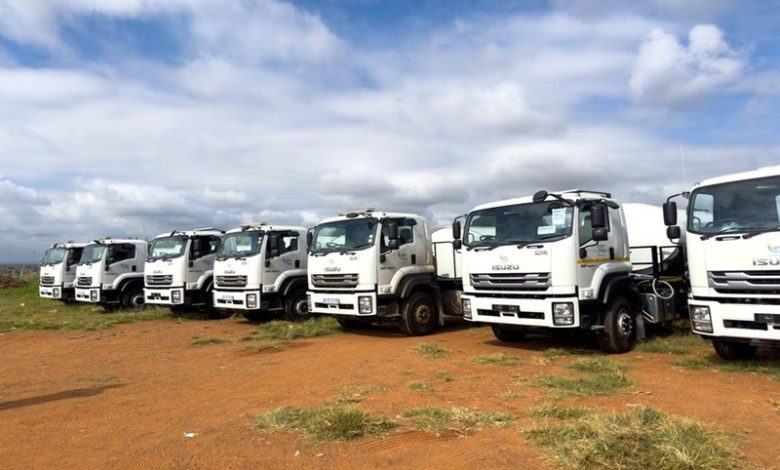
In cities across India, water tankers have gone from being used as an occasional supply addition to being a normal daily supply source. In many neighborhoods, especially in expanding areas, tanker delivery is becoming the main supply of water rather than simply a temporary measure.
This shift points to a larger problem–demand for water in cities is growing faster than the amount available. Rapid increases in population, building and demand have caused cities’ municipal systems to exceed their capacity, and cities now rely on private tanker companies for their water supply.
Why Cities Are Increasingly Dependent on Tankers
The reliance on tankers is being caused by both structural and environmental factors. The irregular delivery of water by municipalities is forcing people in many municipalities to receive water for only a few hours each day or, in some cases, not at all. The depletion of groundwater in underground reservoirs has left people dependent on external sources of water.
The rapid urbanization of cities is a significant factor contributing to the high cost of a tanker supply. As cities develop in peri-urban areas, they frequently do not have the necessary infrastructure to provide water to the new developments, thus requiring the use of tankers.
The Hidden Costs of Tanker Dependence
Other factors that increase dependence on tankers are urbanization, a changing climate, and the lengthening of spells of dry weather with erratic precipitation, all of which have had a negative impact on the availability of naturally occurring water.
What This Means for Urban Living
The success of water trucks indicates that there is pressure on urban communities to create new water sources. This poor planning means there is a lot of demand for water, but there is insufficient infrastructure in place to match the demand.
The result of this is increased cost of living and uncertainty for all urban inhabitants with respect to water shortage. As the cities attempt to meet the challenge of managing their water resources effectively, they are forced to find better ways to manage both rainwater harvesting, recycling and improving their existing infrastructure.
Environment Insights You Should Read
Why Indoor Air Quality Important?
Explore how plants improve air.
How Warming Reshapes Coastal Living?
Check risks for island communities.
Why Tropical Plants Bloom Changing?
Discover impact on farming cycles.
Final Words
Water trucks are no longer a secondary source of water; they are an indication of a significant problem with how urban communities are managing their water resources. To create a better plan for the future of urban water management, urban planners need to create a sustainable solution for all urban communities through smarter planning and sustainable use of water.
FAQs
1. What is the reason that urban areas need to use water trucks?
Because of inconsistent delivery, low groundwater levels, and population growth.
2. Is the water delivered by trucks safe to drink?
The answer varies by locality and is dependent on regulation and the sources from which the water is collected.
3. Why are water trucks so expensive to purchase and transport?
The high demand for water transported by trucks, and the limited supply of water, greatly increase the overall cost of delivering water by truck.
4. Is it possible to reduce the need for delivering water by truck?
Yes, by improving the infrastructure, using existing sources of water through conservation and creating a sustainable water supply through rainwater harvesting.