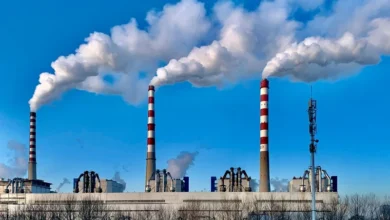

Businesses are now facing direct operational risks as extreme temperature increases make everyday tasks difficult to complete. Heat patterns are becoming more common than uncommon, with temperatures routinely exceeding 40°C to 45°C (104°F to 113°F). As such, the traditional business model of having an employee report into an office environment is under increasing pressure because of the effects of extreme temperatures on operations. These effects take on three forms: unsafe conditions during commutes; strain on existing infrastructure; and significant impacts on the physical health of employees.
Heat waves have transformed into structural changes to how companies operate, as they are now beginning to address heat waves like all other disruptions to work by changing how they work to complete their jobs.
Why Offices Struggle During Heatwaves
The majority of offices are not designed for prolonged extreme temperatures. Air-conditioning systems are unable to operate properly because they have reached their maximum output levels and are consuming excessive amounts of energy, resulting in potential power failures. Furthermore, in buildings that are older, air-conditioning systems are not well-balanced, which could lead to unsafe or unpleasant indoor environments.
While the temperature outside of an office building is a much more significant issue than the temperature inside the building, long commutes to work during extreme heat will lead to dehydration, fatigue and heat stress amongst employees, all of which contribute to employees’ limitations in productivity and general well-being at work. The effect of heat at the beginning of the day will cause an employee to have less ability to focus and perform efficiently even before starting work that day.
Work-from-Home as a Climate Adaptation Strategy
WFH (Working From Home) is becoming a real and scalable alternative solution during a heat wave. It eliminates commuting to/from the office, reduces exposure to extreme heat and gives the worker control over their individual cooling environment.
Likely policy considerations for organisations include:
- Temporary remote working policies will be implemented during heat warnings
- Hybrid work schedules during peak summer months
- Flexibility in work hours to avoid the hottest times of day
What This Means for the Future of Work
The increasing occurrence of heat waves is the catalyst for a larger transformation. Work environments must evolve into climate adaptive environments and organisations will need to upgrade their office infrastructure (i.e. improve insulation, increase efficiencies of their cooling systems, and implement adaptive policies).
At the same time, human resource policies may begin to include weather-specific protocols outlining how to respond to environmental considerations for both worker attendance and work hours.
Stay Ahead with Sustainable Trends
1. How India Achieves Eco-Friendly Rural Growth?
Explore how sustainable practices are transforming rural India while adapting to economic changes.
2. Why Is Copenhagen the Most Sustainable City?
Discover what makes Copenhagen a global leader in urban sustainability and green living.
3. Why Is ASUS Among Top Sustainable Corporations?
Check how ASUS earned its place among the world’s most eco-conscious companies in 2026.
4. How Can Sustainable Living Improve Your Health?
Explore simple lifestyle changes that boost personal health while protecting the planet.
5. Why Does Kenya’s Green Belt Movement Inspire?
Discover how this movement continues to drive global reforestation and environmental awareness.
Final Words
Heat waves are forcing organisations to rethink their work structures. WFH is no longer a trend that developed after COVID-19, but it has become a necessity in response to a changing climate.
FAQs
1. Why are organisations looking at WFH during heat waves?
To minimise health risks to workers, improve productivity and keep the business running during extreme heat.
2. Are offices safe during heat waves?
Offices can be unsafe during heat waves if cooling is insufficient and if the power is out.
3. Will WFH become permanent for summers?
It may become a recurring seasonal strategy in high-temperature regions.
4. What other changes can companies make?
Flexible hours, improved infrastructure, and heat safety policies.