
Code Orange: Why West Bengal is Under a More Lethal Heat Warning Than Delhi Today and the Danger of ‘Wet Bulb’ Humidity?
Code Orange alert in West Bengal signals dangerous humid heat. Know how wet bulb temperature increases heatstroke risk and impacts health.

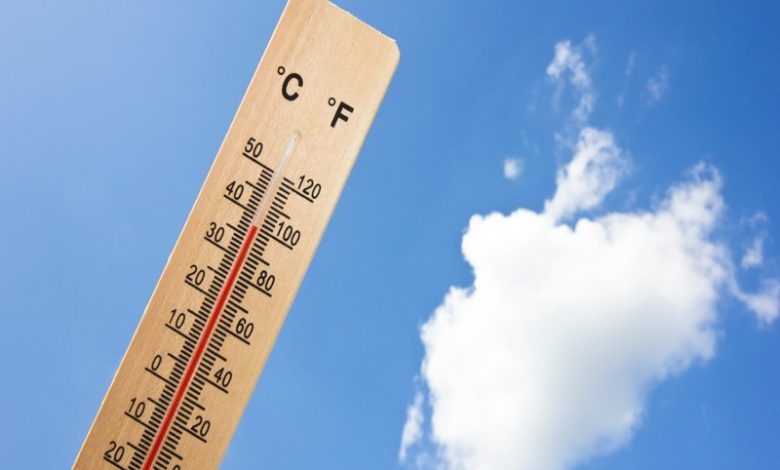
West Bengal is currently under a “Code Orange heat alert and has higher heat levels than cities like Delhi. The combination of heat and humidity and not temperature alone is what causes this to happen.
Delhi’s heat is intense but relatively dry compared to West Bengal, which is experiencing humid heat caused by evaporation from the Bay of Bengal. The humidity causes it to feel much hotter, which means that people are put at a much greater risk.
The Science Behind the Danger: Wet Bulb Temperature
A significant factor in understanding the risk associated with wet bulb temperature. Wet bulb temperature is different than measuring temperature; it calculates the efficiency of your body cooling itself by sweating.
High levels of humidity in the atmosphere inhibit and prevent the evaporative cooling of sweat. Therefore, as your body can no longer efficiently use its primary method of cooling itself (sweating), the internal temperature of your body will start to increase at a very high rate.
Why West Bengal Feels More Lethal Right Now
Some extra factors make the environment currently more dangerous. First, humidity levels have kept the earth at high temperatures for a long time; therefore, your body cannot cool down. Second, winds from the coast continue to push moisture into the interior. Third, just as dry areas will cool down at night, humid areas still keep high temperatures at night, creating continuous heat for your body.
Health Impact: Why This Is a Serious Risk
Under high humidity, body functions will exert much more effort than under normal humidity temperatures. Sweating is not an efficient way for the body to cool so you become dehydrated quickly. The heart has to work much harder to help with body temperature regulation.
When exposed to significant amounts of humidity, there is an increased risk of experiencing symptoms such as lightheadedness, heart racing, confusion and extreme exhaustion. In extreme conditions, heatstroke occurs, which is a life-threatening condition needing immediate emergency treatment..
Final Words
The Code Orange warning in West Bengal illustrates the differences between heat. The danger of heat is not only the temperature but also how well your body can maintain its temperature. The ability to deal with elevated temperatures becomes more compromised with elevated humidity; thus creating a situation that is much worse than what is shown by just looking at a thermometer.
In addition to describing the future heat waves by the temperature, we also need to understand how to describe heat by the future use of terms, such as wet-ball-temperature, based on the new described climatic patterns.
FAQs
1. What does a Code Orange alert mean?
It indicates severe heat conditions that can impact health and require precautionary measures.
2. Why is humid heat more dangerous than dry heat?
Because the body cannot cool itself effectively when sweat does not evaporate.
3. What is wet bulb temperature?
It measures how well the body can regulate heat through sweating in humid conditions.
4. Is this situation temporary?
While heatwaves are seasonal, their intensity and frequency are increasing due to climate change.