
Heatwave vs. Heart Health: The ‘Red Alert’ Symptoms You Shouldn’t Ignore During Today’s 46°C Peak

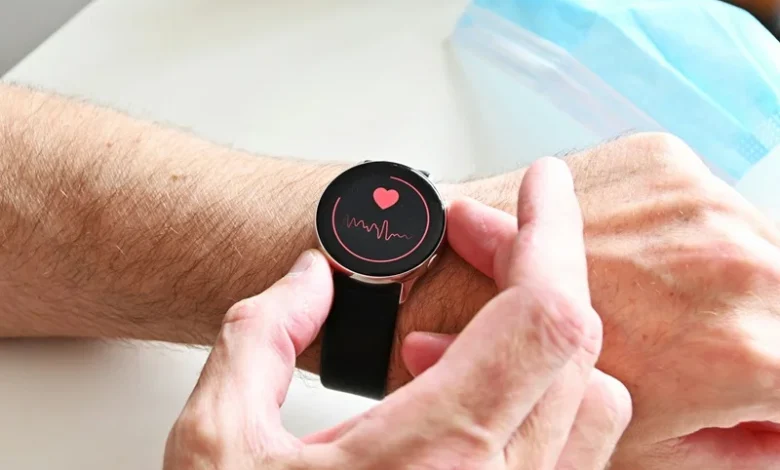
As temperatures rise above 46°C in several regions of India, medical professionals are alerting the population that extreme heat isn’t just uncomfortable; it could also pose risks to heart health. High-temperature weather patterns will increase the stress on all bodies namely those with a cardiovascular system as they can create positive risk factors for dehydration, heat exhaustion, heat strokes, and even heart attacks among vulnerable populations.
Older adults, individuals with pre-existing cardiovascular issues, those with high blood pressure, outdoor workers and/or individuals who are exposed to direct sunlight for long periods will be at higher risk for negative health consequences when it is extremely hot outside.
Why Extreme Heat Is Dangerous for the Heart
Your body will exert itself much more vigorously than normal during periods of extreme heat. Blood vessels will widen, you will perspire profusely, and your heart will beat much more frequently than normal in an effort to help cool off your body. This additional stress and potential for dehydration and/or loss of essential electrolytes can substantially increase your likelihood of developing cardiovascular disease.
According to medical experts, there are certain symptoms caused by extreme heat that require medical attention immediately. Chest pain and/or tightness is one of the most common symptoms; sweating, dizziness and/or difficulty breathing may be present; rapid heartbeat, extreme fatigue, confusion, collapsing or difficulty breathing may also indicate that you are under cardiovascular stress due to extreme heat conditions.
Heatwaves, Cool Escapes & Climate Shifts in 2026
Explore cool Indian destinations beat heatwave?
Discover budget-friendly escapes from extreme summer heat.
Check companies adjusting office timings heatwave?
Explore how workplaces are adapting to rising temperatures.
Discover North India heatwave return 47 degree?
Check why cooler weather is ending this week.
Explore EV battery safety extreme heat tips?
Discover how to protect vehicles during summer heatwaves.
Check Vancouver 128 year heatwave record?
Explore what sudden warming reveals about climate shifts.
‘Red Alert’ Symptoms You Should Never Ignore
Individuals over 60 years of age are especially at risk for heat-related illness because the body loses its ability to cool itself as a person gets older. Those with diabetes, obesity, kidney disease, heart disease or other underlying heart conditions also have a higher risk. Children and adults who work outdoors during the daytime in the sun and heat can also suffer from heat-related illness.
Who Faces the Highest Risk?
People above the age of 60 are particularly vulnerable during heatwaves because the body’s cooling mechanisms become less effective with age. Patients with diabetes, obesity, kidney disease, or pre-existing heart problems also face higher risk. Children and people working outdoors in direct sunlight for extended hours are equally vulnerable.
Final Words
Heat-related illness symptoms such as chest pain, dizziness, extreme fatigue and difficulty breathing should never be considered just “summer weakness.” Proper hydration, staying out of the sun during peak hours and seeking medical assistance early can make a big difference when dealing with heatwaves.
FAQs
Can extreme temperature cause cardiac events?
Yes. The body’s additional stress from the heat can have a negative impact on cardiovascular function.
What indicator of a heat illness would be the most serious?
The following signs and symptoms are hazardous in heat illness: Chest discomfort, confusion, difficulty breathing, fainting, loss of consciousness; immediate emergency medical treatment is required for any of these.
How does dehydration impact the cardiovascular system?
Dehydration reduces volume of blood in the circulation and this will increase workload on the heart to provide adequate blood to the various organs/tissues of the body.
Who has higher risk of heat-related illnesses from a heat wave?
Older adults, individuals with cardiac conditions, outdoor workers, children, and individuals with chronic medical conditions have higher risk of developing heat-related illness.