128-Year Record Broken: What Vancouver’s Sudden Heatwave Tells Us About Global Weather Shifts in 2026

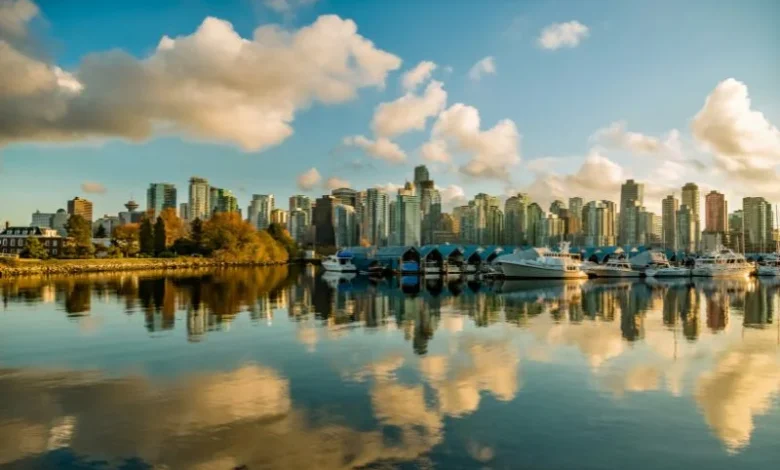
Vancouver has long been recognized as having mild summers and cool marine air, as well as being fairly stable in its climate. However, recently the city experienced an unprecedented heatwave that broke all-time temperature records that were over 100 years old; hence, climate scientists are starting to express concerns about the implications of this extreme event.
In addition to the extreme heat itself, the larger story with this heatwave is how 2026 illustrates continued shifts in global weather patterns.
Why Vancouver’s Heatwave Is So Unusual
While many areas in North America have very high summer temperatures traditionally, Vancouver usually benefits from:
- Pacific ocean cooling
- Moderate summer temperatures
- Stable coastal flow of air
What Triggered the Sudden Heatwave?
1) Heat Dome Formation
A large area of high pressure was situated over western Canada, trapping hot air over the area and creating a phenomenon commonly referred to as the “heat dome”. The result was:
- Clear skies
- Heating in the area continuously without interruption
- Low wind movement
2) Warmer Global Baseline Temperatures
Compared to years past (pre-2000) we are entering into this year (2006) at a significantly higher global average temperature than we have historically experienced. The result will be:
- Heatwaves will now originate from a much warmer starting point
- What once would have been considered “rare” temperature spikes will be triggered with greater ease as we continue to experience an increase in average temperature
- Previously, “one-of-a-kind” weather events will occur more often
3) Influence of El Niño
The current developing El Niño has begun modifying global heat patterns through:
- Changes in atmospheric circulation
- Higher global average temperature
- Greater extreme weather in various locations
Heatwaves, Sudden Weather Shifts & Survival Tips
Explore North India black clouds cooling why?
Discover why temperatures suddenly dropped today.
Check Rajasthan heat surge reaching Delhi NCR?
Explore how extreme heat may spread this week.
Discover Mumbai night heat crisis danger?
Check why nights are staying dangerously warm.
Explore Dubai nearing 50 degree threshold?
Discover why extreme heat is arriving earlier.
Check cooling small room without AC tips?
Explore effective ways to stay comfortable indoors.
“Rare” Events Are Becoming Less Rare
After reviewing a 128-year historical database, it has been determined that unusual weather patterns have occurred with increasing frequency over time. In addition to this greater frequency of rare events (e.g., heat waves), climatologists are now reporting:
- Extreme weather events have been happening closer together than ever before.
- Statistical anomalies (i.e., outlier data points) are becoming increasingly prevalent, and
- Infrastructure that was built to withstand older climate conditions may no longer be able to handle today’s extreme weather patterns due to changing climatic conditions.
Final Words
The record-setting heat event in Vancouver that occurred in 2026 is much greater than simply a “one-off” weather story, but rather is strong evidence of the rapidly changing global climate.
The key finding from 2026 is that extreme climatic events are no longer just happening in expected areas or within the expected timeframes for their occurrence. They are occurring (far too) frequently and in various (unexpected) geographical areas.
FAQs
1) Why is the heat wave in Vancouver such a big story?
Historically speaking, Vancouver has been known for pleasant coastal weather conditions, making this record-setting heat event so unusual.
2) Does El Niño play a role in the creation of climate-changing patterns?
El Niño may be an influence on the overall global warming problem.
3) Are occurrences of record-setting heat waves increasing?
Yes, as a result of rising average temperatures globally, extreme weather patterns are becoming more common.
4) Could a similar event occur again in the near future?
The answer is “yes.” Researchers have predicted that occurrences of extreme weather events will continue to increase in frequency over the next several years.