Heatstroke vs Dehydration: What Every Family Needs to Know This Summer
Learn the difference between heatstroke and dehydration, symptoms, causes, and quick treatment tips to stay safe during extreme summer heat.

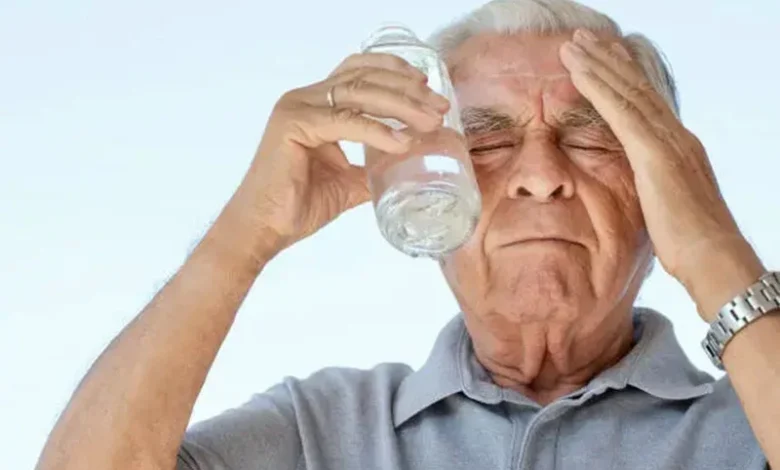
Extreme heat can trigger both conditions of dehydration and heat stroke, but they are not the same and confusion between the two can result in consequences which could be harmful. Dehydration is a gradual loss of fluids due to insufficient fluid intake, while heat stroke is an emergency situation where the body fails to regulate its temperature. Dehydration develops slowly and can usually be reversed by rehydrating the body with fluids; whereas heat stroke can happen quickly and if not treated could result in permanent impairment of one or more bodily organs or even death.
Signs and Symptoms You Should Watch For
If you are aware of the symptoms of each condition, it will allow you to act on them quickly.
Symptoms of Dehydration include:
- Excessive thirst and dry mouth
- Feeling tired and lacking energy
- Headaches
- Dark yellow urine
- Light-headedness and dizziness
Symptoms of Heatstroke include:
- Body temperature over 104°F (40°C)
- Disorientation
- Rapid heartbeat
- Feeling nauseous or vomiting
- Hot/dry skin (may or may not sweat)
While dehydration is strictly a matter of fluid level, heat stroke is a more severe condition because it affects both brain function and other bodily systems, in addition to fluid levels.
Why the Risk Is Higher in Indian Summers
The Heat Stress Risk in India is high due to the extreme heat present in India’s Summer Months. On average, during the hottest months, temperatures across most of India can easily reach between 40-45 degrees Celcius (104-113 degrees Fahrenheit) in places like Central and Northern India. If the signs of dehydration are ignored during this time, they usually develop into heatstroke rapidly.
Young children, the elderly, and those who work outdoors are usually more susceptible to developing heat-related illnesses, as they will typically have difficulty maintaining their body temperature or will have a higher rate of fluid loss due to activity (i.e. outside labour or excessive playing). High humidity will also detrimentally impact your ability to cool your body through sweat evaporation.
What You Should Do in Each Case
If you or someone you are with has signs/symptoms of dehydration, the solution is to quickly rehydrate. Quickly rehydrate – Drink water, oral rehydration solutions or fluids with electrolytes, rest in a cool place away from heat exposure.
If someone has developed heatstroke, you need to act fast! Immediately bring him/her to a shaded or air-conditioned area, cool his/her body with wet cloths or fans and seek medical assistance immediately. Delaying medical assistance for someone who is developing heatstroke is dangerous due to the possibility of damage to vital organs.
Stay In The Loop
Which Hyderabad areas face worst heat?
Check the neighborhoods most vulnerable during extreme heatwaves in the city.
Which Indian cities face extreme heat?
Discover the regions across India at highest risk from rising temperatures.
Is major weather shift coming April?
Explore how upcoming weather changes could impact temperatures across India.
Which cities face climate risk 2026?
Check the urban areas under immediate environmental threat this year.
Why Chennai preparing early for heat?
Discover how Chennai is tackling rising temperatures and health risks early.
Final Words
The difference between heat stroke and dehydration is that one is a sign of body distress – the other is life-threatening. Understanding the distinctions between these illnesses and how to effectively respond will aid you in protecting your family during the severe and dangerous summer heat that can occur in extreme summer months.
FAQs
1. Can dehydration turn into heatstroke?
Yes, if untreated, dehydration can increase the risk of heatstroke.
2. How fast can heatstroke develop?
It can occur quickly, especially in extreme heat or prolonged exposure.
3. Is sweating always present in heatstroke?
Not always—skin may become dry in severe cases.
4. What’s the best prevention method?
Stay hydrated, avoid peak heat hours, and monitor symptoms early.