State of Emergency Declared: Why the Southeastern Floods Just Hit ‘Disaster’ Status Today and How to Secure Your Home (South Africa)

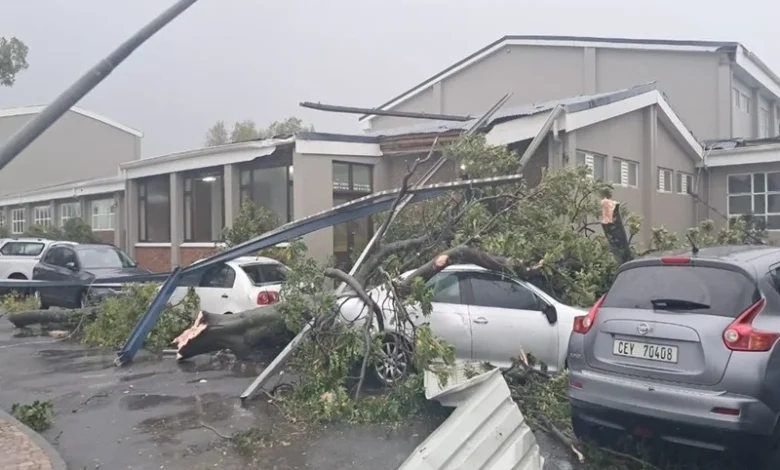
The southeastern regions of South Africa are currently experiencing a rapidly worsening flood situation as a result of continuous rain over several days, overwhelming river systems, and damaging the infrastructure, consequently causing the government to declare disaster declarations in several areas that have been affected by flooding.
The extreme weather conditions have caused extensive flooding throughout much of the Eastern Cape and KwaZulu-Natal, which has resulted in flooded roads, homes being damaged, and a large number of residents losing access to essential services such as electricity, transport, and other vital services.
Why the Flood Situation Became a ‘Disaster’
In the southeastern region of South Africa, the floodwaters have already impacted numerous communities, major highways, bridges, drainage systems, and public infrastructure. Emergency response teams are currently conducting rescue efforts in at-risk areas, as many people have been trapped inside their homes and vehicles because of the increased river levels.
Which Areas Are Most Affected?
There are areas in the Eastern Cape that are still facing extremely high levels of flood waters from heavy rain, riverbanks that have overflowed and formable amounts of water in the lower-lying areas where people live. Also, other areas in KwaZulu-Natal are currently experiencing unsafe levels of flooding from oceanfront areas and river systems that were previously damaged from storms.
How Homeowners Can Protect Their Property
Officials are urging all citizens living in flood-prone watershed areas to take measures to protect themselves as the weather continues to change. Homeowners should also be storing any personal belongings that are important to them, like important documents, electronics, and such, on high levels within their homes.
You Might Also Like
Which Hyderabad areas face worst heat?
Check the neighborhoods most vulnerable during extreme heatwaves in the city.
Which Indian cities face extreme heat?
Discover the regions across India at highest risk from rising temperatures.
Is major weather shift coming April?
Explore how upcoming weather changes could impact temperatures across India.
Which cities face climate risk 2026?
Check the urban areas under immediate environmental threat this year.
Why Chennai preparing early for heat?
Discover how Chennai is tackling rising temperatures and health risks early.
Final Words
The flooding that took place in the southeastern part of South Africa has resulted in severe pain and misery for individuals, and there has created a humanitarian crisis for tens of thousands of people. Individuals are facing significant setbacks because of their homes being destroyed by floods, roads being partially underwater, and finding new ways to rescue others. Emergency services are on the alert as forecasts call for continued extreme weather conditions over the next several days.
FAQs
1. Why was there a declaration of a “state of emergency” by the South African government?
The level of destruction to roads and buildings was extensive enough to warrant the government’s use of emergency measures, and emergency services were overwhelmed by responding to more than one emergency community at once.
2. Where are the areas most affected by flooding and in most need of financial assistance?
Eastern Cape and KwaZulu-Natal provinces have seen the greatest amount of flooding, so those areas should receive global financial assistance for rebuilding and recovery.
3. Will flooding occur again in the future?
Yes, flooding will occur again in South Africa, as the South African Weather Service has advised of continued heavy rainfall in South Africa for the foreseeable future, which has the capacity to cause further flooding and landslides.
4. What should homeowners be doing at this time while under flood watch?
Homeowners should take first-place actions to protect their properties, such as moving valuables to higher ground, disconnecting electricity where appropriate, following the latest updates from government authorities regarding warnings, and listening closely for instructions given out from emergency services and local authorities for what to do next.