
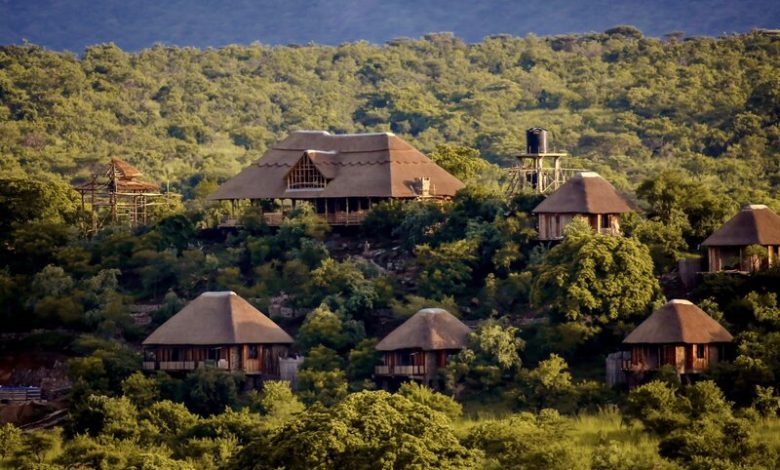
Imagine you are waking up and elephants are roaming nearby and you are watching lions at sunset from your window. Africa is an amazing place full of lodges which offer unforgettable experiences. So for you, here are ten of the best safari lodges. You can choose them for their natural beauty and wildlife views.
1. Beyond Bateleur Camp (Kenya – Maasai Mara)
A place set under big acacia trees, this camp offers you very cozy tents with thoughtful service. Many guests say that game drives gives you a spectacular wildlife view, and the staff learns your name very fast.
2. Beyond Ngala (South Africa – Kruger)
In this lodge you will get a mix of luxury with the feel of nature, on a private reserve. You can also track lions, big elephants or wild dogs but only with skilled staff, no wonder why many say that it changed their view of safaris forever.
3. Singita Ebony Lodge (South Africa – Sabi Sands)
A place where you can just sit and relax and enjoy your moments with loved ones. As per the reviews, rooms are very elegant and face a river where sometimes animals come to drink.
4. Angama Mara (Kenya – Maasai Mara)
Perched on high above the plain surface, this lodge literally overlooks the Great Migration. Here guests can enjoy views while staying in beautiful tented suites.
Read Also : Top Luxury Restaurants in Riyadh With Cityscape Views
5. Angama Amboseli (Kenya – Amboseli)
Located near Mount Kilimanjaro, this beautiful eco-friendly camp offers you chances to see rare super-tusked elephants. Stylish tents and conservation partnerships make it even more special.
6. Time + Tide Chinzombo (Zambia – South Luangwa)
This mesmerising riverside lodge blends in luxury with wildlife. Here guests can dine under moonlight while elephants roam nearby. Here memories are a treasure.
If you are someone who loves traveling and visiting different places. For you each of these lodges offer something unique, get wildlife at your doorstep with peaceful views, thoughtful service. So whether you’re new to this safari or a seasoned traveler, trust me these spots are more than lodgings. They bring nature close to you. So plan you trips accordingly and enjoy these places with your loved ones.