

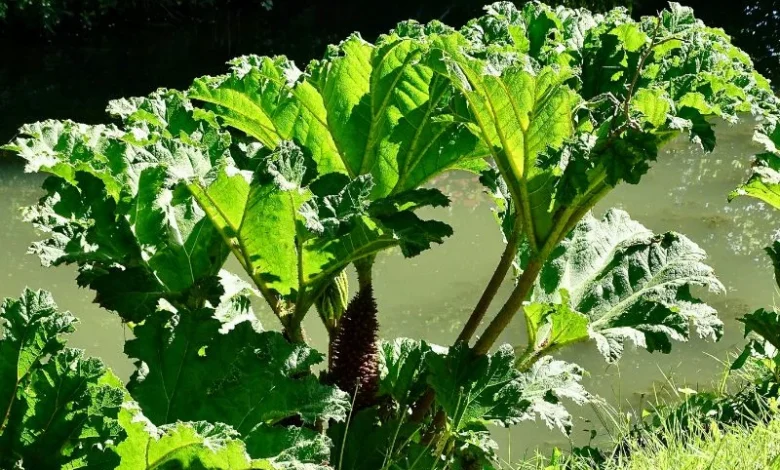
The strange Himalayan rhubarb grows high in the Himalayas, in some of the world’s toughest terrain. It is scientifically called Rheum nobile and grows at altitudes of between 4,000 and 6,000 meters. It relies heavily on a tiny insect that transfers pollen between its flowers for its survival.
A Plant Designed for the High Himalayas
Rheum nobile is very different from the rhubarb grown in gardens. It is a large alpine herb with large pale bracts surrounding clusters of small flowers.It is a plant of rocky slopes, where temperatures can fluctuate rapidly. The big bracts provide some protection to the flowers against the harsh mountain environment.It is also monocarpic. So, a single plant will only flower and produce seed once, then it dies. But from those seeds new plants must therefore grow.
The Little Bug That Pollinates
Things get even weirder when the plant starts to bloom. Research has shown that Rheum nobile is largely dependent on a specialist fungus gnat, Bradysia, for its pollination. Note that this insect is not a hoverfly.
The female gnats visit the flowers, collect pollen and move from flower to flower. This motion helps the plant move pollen and make seeds.
Researchers also found that the plant emits a distinct floral scent which attracts female flies. This creates a very specialized relationship between the plant and the insect visitor.
The Cost of a Relationship
The relationship is not entirely one-sided. Female flies deposit eggs around the flowers and their larvae later consume some developing seeds.
This might seem like a bad thing for the plant at first. But studies have shown that the amount of seed produced by pollination can be greater than the amount of seed eaten by the larvae.
This odd arrangement demonstrates how nature can create partnerships in which both species benefit enough to maintain the relationship.
Why This Himalayan Rhubarb Is Important
The Himalayan rhubarb story illustrates why protecting individual species doesn’t cut it. Plants frequently rely on insects, creatures in the soil, bodies of water and other elements in their surroundings.
Such relationships could be disrupted by changes in mountain temperatures, habitat conditions or insect populations. For conservationists, understanding these kinds of links can help to uncover hidden risks before they become serious.
Visitors to Himalayan regions can also help by:
• Stay on established trails.
• Do not take plants that are growing wild.
• Not disturbing flowering plants or insects.
• Follow the protected area rules.
• Promoting responsible tourism in the mountains.
Conclusion
The Himalayan rhubarb and its tiny insect friend are a great lesson of nature. The plant that looks so spectacular on a mountain slope may depend on an almost invisible creature to complete its life cycle. Protecting the interests of both sides of this relationship can help protect the Himalayan ecosystem.
More Wildlife Adventures Await!
Why Visit Kaziranga National Park Today?
Discover why this iconic park is a paradise for wildlife lovers.
How Are Greece’s Wildfires Changing Nature?
Find out how wildfires are reshaping Mediterranean ecosystems.
What Makes Kerala’s Backwaters So Wild?
Dive into the rich birds, mangroves, and aquatic life thriving here.
Which Mongolia Parks Protect Rare Species?
Uncover hidden national parks preserving unique desert wildlife.
Which Kenya Safari Should You Experience?
Browse the top wildlife safaris for unforgettable nature encounters.