
Which Indoor Plant Can Actually Lower Humidity and Prevent Monsoon Mold in Your Bedroom? Full Guide!
Discover the best indoor plants for humid bedrooms during monsoon. Learn how Peace Lily, Spider Plant and others help manage moisture and reduce mold risk.

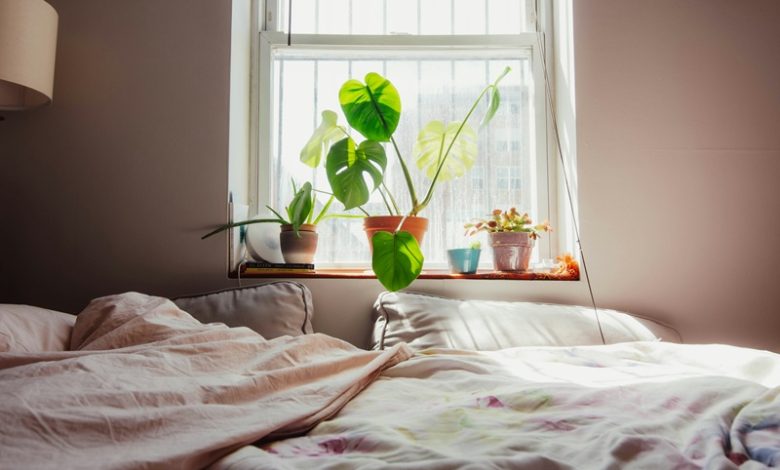
The monsoon season brings welcome relief from summer heat, but it also creates the perfect conditions for mold, mildew, musty odors, and excess indoor humidity. Many homeowners turn to indoor plants as a natural solution, but can plants really help reduce moisture in your bedroom?
The answer is yes—to a limited extent. While plants won’t replace a dehumidifier, certain varieties can absorb moisture from the air and help improve indoor conditions.
Best Indoor Plants for Humid Bedrooms
1. Peace Lily
The Peace Lily is often considered one of the best humidity-absorbing houseplants.
Benefits include:
- Absorbs moisture through leaves
- Thrives in indoor conditions
- Helps improve air quality
- Requires moderate maintenance
It’s particularly popular in bedrooms and living rooms.
2. Boston Fern
Boston Ferns naturally enjoy humid environments and can help regulate indoor moisture levels while adding greenery to your space.
3. Spider Plant
Spider Plants are easy to grow and adapt well to Indian homes.
Advantages include:
- Low maintenance
- Fast growth
- Good indoor air purification
- Suitable for beginners
4. Areca Palm
The Areca Palm can help maintain indoor air quality while creating a tropical aesthetic.
5. English Ivy
English Ivy is commonly recommended for areas prone to dampness and poor air circulation.
Can Plants Prevent Mold?
Plants alone cannot stop mold growth if a room has serious moisture problems.
To reduce mold risk:
- Improve ventilation
- Open windows when weather permits
- Use exhaust fans
- Fix water leaks promptly
- Keep walls and corners dry
Think of plants as a helpful supplement rather than a complete solution.
Other Monsoon Bedroom Tips
For better humidity control:
- Avoid drying clothes indoors
- Use moisture absorbers if necessary
- Keep furniture slightly away from walls
- Clean visible mold immediately
These measures often have a greater impact than plants alone.
Stay Updated With The Latest Trends & Smart Choices
1. Drinking Enough Water During Heatwaves?
Explore the warning signs of dehydration and learn how to maintain proper hydration during extreme summer temperatures.
2. Are EV Plans Changing Worldwide Now?
Discover why major companies are shifting EV strategies and choosing hybrid technology for future mobility.
3. Want to Save More With EVs?
Check the best affordable electric vehicles, charging expenses, and ownership benefits for Indian buyers.
4. Can Heat Damage Your EV Battery?
Explore how extreme summer conditions impact EV batteries and solar panels with simple protection tips.
5. Why Are EV Sales Rising Fast?
Discover the latest EV trends, budget options, charging costs, and battery warranty details before buying.
Final Words
If you’re looking for a natural way to help manage monsoon humidity, the Peace Lily is often considered the best indoor plant choice for bedrooms. While no plant can completely eliminate excess moisture or prevent mold on its own, combining humidity-absorbing plants with good ventilation and regular maintenance can create a healthier and more comfortable indoor environment during the rainy season.
FAQs
Which plant absorbs the most humidity indoors?
Peace Lily is widely regarded as one of the most effective humidity-absorbing houseplants.
Can indoor plants stop mold growth?
Not completely. Mold prevention requires proper ventilation and moisture control.
Is a Peace Lily suitable for bedrooms?
Yes. It grows well indoors and requires relatively simple care.
Are Spider Plants good during the monsoon?
Yes. They are low-maintenance and adapt well to indoor conditions.
Should plants replace a dehumidifier?
No. Plants can help slightly, but severe humidity problems usually require additional moisture-control measures.