

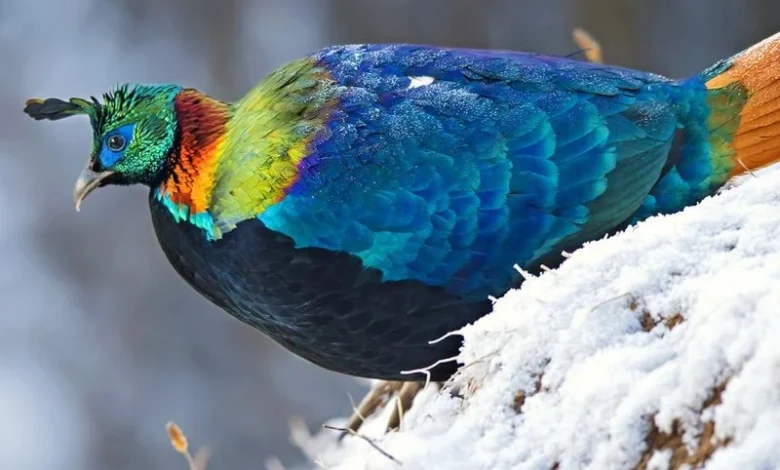
The Himalayas hold some of the most spectacular mountain birds of Asia. But Himalayan pheasants are increasingly under pressure from human activity. Species that live in the quiet mountain forests are losing their habitat, are being hunted, and are having more trouble surviving as the forests are disturbed and new infrastructure is built.
What is the importance of Himalayan Pheasants?
Pheasants are not just colorful birds in the far reaches of the Himalayan terrain. They are part of complex mountain ecosystems and can also be an indicator of the health of their environment.
Species such as the Himalayan Monal, Koklass Pheasant, Western Tragopan and the Himalayan Snowcock are found at different altitudes and habitats. The needs of the Seasons may change and bring them closer to areas affected by people.Studies in the Western Himalayas have shown that pheasants are more often recorded in less disturbed valleys.
The problem of habitat loss is escalating
The forests provide Himalayan pheasants with food, shelter and nesting sites. Forests are cut down or broken up by roads and construction, and birds may lose big pieces of habitat.
Big infrastructure projects can create a lot of headaches all at once. Road construction, blasting, noise, dust, and heavy machinery may disturb wildlife. The risk of collision with transmission lines is also a concern in some mountain areas.
Hunting puts further pressure on them
Illegal hunting is another big issue. Some species of pheasant are also brightly colored and hence attractive targets. Hunting can reduce local populations and add to the pressures on species already threatened by habitat change.And there’s another problem with wintertime. Some birds change to lower altitudes in the cold months. Such areas may have higher levels of human activity and thus greater exposure to hunting, roads and settlements.
Mountain Development and Tourism
Tourism is a major source of income for many communities in the Himalayas, but unchecked growth may harm wildlife. More roads, hotels, waste and visitor activity can change previously quiet habitats.
Or maybe the better way is to travel responsibly. Visitors can help local guides, respect the rules of protected areas and avoid disturbing birds during breeding times.
Stuff like this that’s easy:
• Stay on designated trails.
• Do not feed wild birds or pursue them.
• Avoid noise and loud activities in forests.
• Remove the waste from the mountains.
• Report suspected wildlife hunting to local authorities.
How Preservation Can Help
It is not enough to put protected areas on paper in an effort to protect Himalayan pheasants. Conservation plans must take into account roads, hydropower projects, forestry, tourism and local livelihoods.Local communities can be important actors. Incentives to protect forests can be created through wildlife monitoring, nature based tourism and awareness programs. Authorities can also benefit from better surveys of habitat when deciding on large infrastructure projects.
Conclusion
How Himalayan pheasants fare will depend on how wisely people look after the mountains they share with them. Development and conservation do not have to be at loggerheads; Better planning, responsible tourism, wildlife protection and community engagement can help ease the pressure on these birds.
Stay informed on El Niño impacts.
What Changes With Super El Niño?
Check out the biggest weather shifts ahead.
Could History Repeat This Summer?
Explore past lessons and today’s climate warning.
How Will Weather Patterns Change?
Find the key differences of Super El Niño.
Why Could Food Prices Rise?
Uncover how El Niño affects global markets.
Which Countries Face Higher Risks?
Browse regions expecting droughts, floods and heatwaves.