Grand Canyon Flash Flood Turns Deadly: Two Killed, Dozens Rescued in Terrifying Weekend Disaster

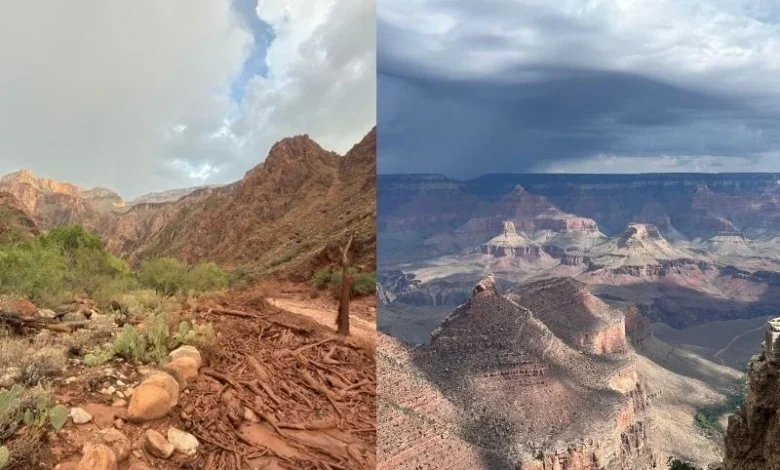
Nobody at the bottom of the canyon expected the weekend to end like this. A Grand Canyon flash flood came out of nowhere on Saturday afternoon, and within minutes it had swallowed campsites, torn out bridges, and left two people dead. People who were there talk about a wall of brown water arriving so fast that there was barely time to grab a bag before running. It’s a hard reminder that even a place as famous and well-visited as the Grand Canyon can turn on you without much warning.
What Actually Happened
It started with rain, but not just one storm. Monsoon showers rolled through in waves over the weekend, and each one left the ground a little wetter and the creeks a little fuller. By the time the fourth and heaviest burst of rain hit, the canyon’s drainage had nowhere left to send the water. That’s when things went wrong quickly. Park officials confirmed the flash flood destroyed footbridges crossing Bright Angel Creek, cutting hikers off from each other and dragging tents, boats and gear straight into the Colorado River.
Why This Flood Hit So Hard
A couple of things made this storm far worse than a typical monsoon downpour:
- Ground scorched by an earlier wildfire had lost much of its ability to soak up water, so the rain just ran straight off instead of sinking in.
- Repeated storm waves had already left the soil soaked before the final, heaviest rain arrived.
- The canyon floor is remote enough that helicopters were often the only way rescue crews could reach people.
What Travellers Anywhere Can Learn From This
This isn’t just an Arizona problem. Canyons, gorges and river valleys draw huge crowds all over the world, often right in the middle of the rainy season, from the Himalayas to the Alps to river treks across Southeast Asia. The risks don’t change much from one continent to the next.
A short checklist worth keeping in mind before any canyon or gorge trip:
- Look up official weather warnings before setting out, and keep checking them during the hike, not just first thing in the morning.
- Steer clear of pitching a tent on a dry creek bed, even if it looks like the flattest, most convenient spot around.
- Bring a satellite messenger or an offline map, since phone signals often disappear completely once you’re deep in a canyon.
- Register your hiking plans with local park authorities wherever that kind of permit system exists.
- If the water starts rising or you hear thunder in the distance, head for higher ground right away, don’t wait to see what happens next.
Conclusion – Grand Canyon flash flood
What happened at the Grand Canyon shows just how fast a peaceful hike can turn into a genuine emergency. Whether someone is trekking through Arizona, Nepal or the Alps, the same rule applies: take sudden weather shifts seriously and always know your way out before you need it. Respect the weather, and a canyon stays a place of wonder instead of becoming a warning story.
Track the latest climate changes.
Is Your Seafood Becoming Riskier?
Find how El Niño affects ocean pollution.
Why Are Heatwaves Getting Worse?
Check out the link between monsoons and El Niño.
What Happens During Super El Niño?
See the major weather changes ahead.
Could Food Prices Rise Soon?
Uncover how climate affects grocery costs.
How Will Weather Patterns Change?
Get to know this summer’s biggest climate shifts.