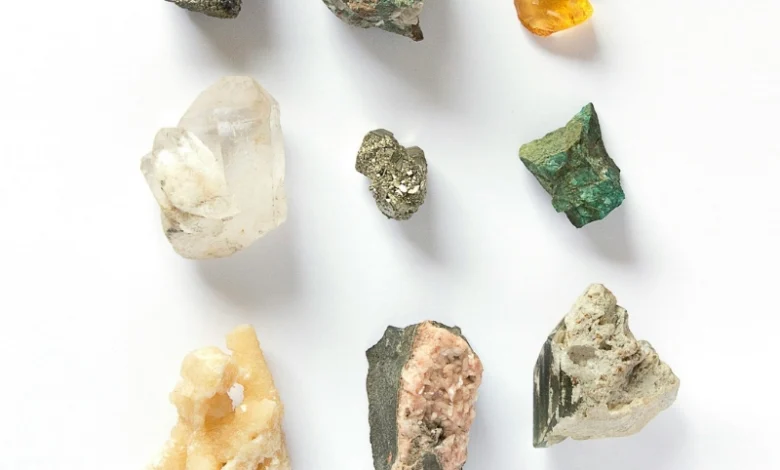
Rare earth elements represent a class of 17 metals that are vital to clean technologies, such as electric cars and wind turbines. Although they are named “rare”, they are quite common in the Earth’s crust, and yet, mining and production of rare earth metals has a number of environmentally destructive repercussions.
Why Are Rare Earth Elements Important For Renewable Energy?
Some of the rare earth metals like praseodymium, neodymium, and dysprosium are used to manufacture very strong permanent magnets which are used in windmills and electric cars. With the number of countries trying to pursue carbon emissions reduction, the global rare earth sector is expected to achieve $15.65 billion by 2026.
The Environmental Impact of Extraction
To isolate rare earths from the ore, a large quantity of water and harsh chemicals are used. One tonne of rare earths requires thousands of tonnes of toxic waste, acidic water, and radioactive waste from minerals such as monazite to be produced. Due to China’s control of around 60% of the extraction and over 80% of the refining process, the environmental damage has also concentrated in some regions just like the water-related issues caused by lithium mining.
Are there Green Methods of Extraction?
Research institutes and companies are creating environmentally friendly methods of extraction, motors without magnets, and more efficient recycling methods. One of the most effective ways to cut down the requirement for mining is to recycle electronic devices to obtain metals from discarded devices and dismantled windmills.
Related Reads
What is the hidden cost of battery metals?
Read about lithium mining.
What happens to old wind turbine blades?
See how blade waste is recycled.
How is India managing aging solar panels?
Explore the challenge of solar panel waste.
Can panels on water power the future?
Discover how floating solar works.
Which countries run on clean power?
See who relies almost entirely on renewables.