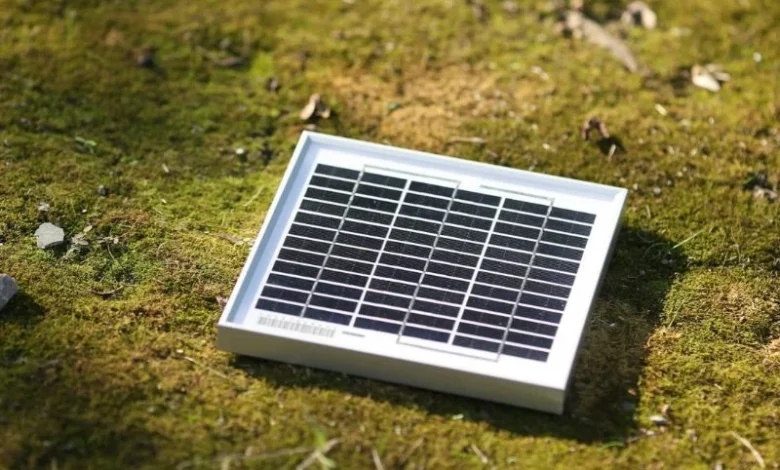
Solar panels have limited lifespan, and the use of solar energy in India is producing a problem of waste. It is estimated that the total waste from solar energy systems may reach as much as 600 kilotonnes by the year 2030, solar panel waste India, while the country is working on about 292 GW of capacity.
How Fast Will It Grow?
According to the data mentioned above, as much as 66.7 GW has already produced the amount of 100 kilotonnes of waste. By the year 2030, the total amount of waste may increase to 340 kilotonnes. Given that by 2050 the total amount of waste means 19,000 kilotonnes, India may need to increase its output in the solar energy industry to the level of 1770 GW to reach net-zero emissions by 2050.
What Is in It?
340 kilotonnes mean 10 kilotonnes of silicon plus 12-18 tons of silver, as well as 16 tons of cadmium and tellurium, most of which are critical minerals for India. What is more, recycling of that amount of waste will help the country reduce its dependence on imports and increase its mineral security.
What Are the Rules? – solar panel waste India
Solar cells and solar modules fall under the E-waste Rules 2022. The recyclers should achieve the targets in material recovery, stated by CPCB.
Explore More Environmental News:
Can Renewables Deliver a Greener Future?
Weigh the promise and the limits.
Can solar panels float on water?
Discover how floating solar could add clean power.
How can you recycle electronics safely?
Follow this simple checklist for old gadgets.
What does battery metal really cost?
Read the hidden price of lithium mining.
How Harmful Is Plastic Pollution?
Explore its impact on ecosystems.