Glacial Lake Burst Risk Near China-Nepal Border Eases After Deadly Himalayan Flood

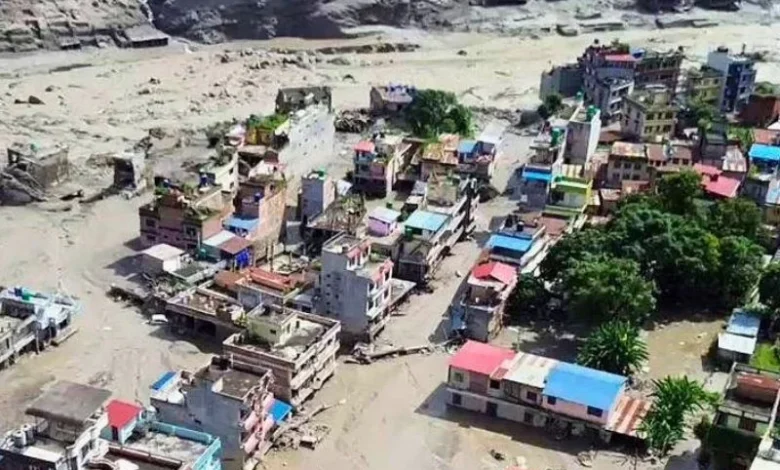
There’s a bit of good news coming out of a grim week in the Himalayas. glacial lake burst risk, Chinese water authorities said on Saturday that the risk of a lake burst near the China-Nepal border is fading, giving some breathing room to people living on both sides of the frontier.
What Caused the Original Disaster
It started with a glacier collapse. The sheer force of it sent rock, ice, mud and debris tearing down mountain river valleys, and the wreckage smashed through a border trade complex linking China’s Tibet region with Nepal. Many people died, and thousands are still unaccounted for. All that debris piled up right where two rivers meet, and it blocked the water. That’s how you get what geologists call a barrier lake, basically a dam made of rubble instead of concrete.
Why the Lake Was So Dangerous
Here’s the problem with a lake that forms this way. It’s holding back a huge amount of water using nothing more than loose rock and mud. If that natural wall gives way all at once, you get a second flood, and it can hit harder than the first one because there’s often no warning at all. This is exactly what experts had been worried about for the valley, a sudden lake burst that could put rescue workers downstream directly in harm’s way.
How the Risk Is Now Falling
Satellite pictures taken between Thursday and Saturday tell a more hopeful story. The lake’s surface has gone from around 120,000 square metres down to roughly 99,000, which works out to about 14 football fields. Officials say the water is seeping through the debris slowly rather than building up behind it. That kind of gradual drainage is a much better outcome than the blockage suddenly failing.
Ground Realities at the Disaster Site
Even with the water risk fading, conditions at the disaster site are still brutal:
- Crews are digging through mud and boulders in steady rain.
- Search-and-rescue dogs have joined the effort to find survivors.
- Roads and phone lines remain cut off in parts of the valley.
- A dedicated team is using drones and portable satellite gear to keep watching the lake.
What Comes Next
Nepal’s disaster management officials have been clear that the danger won’t fully disappear until both lakes drain completely. People living downstream are being told to keep following updates from local authorities rather than assume the worst has passed.
Conclusion – glacial lake burst risk
This is welcome news, but it’s not the finish line. Events like this are a reminder that mountain communities along the China-Nepal border stay exposed to sudden glacier and landslide risks, and that exposure isn’t going away as high-altitude weather patterns keep shifting. Until officials confirm the lake burst risk has fully passed, staying alert is still the smart move for anyone near the site.
Track the latest climate changes.
Is Your Seafood Becoming Riskier?
Find how El Niño affects ocean pollution.
Why Are Heatwaves Getting Worse?
Check out the link between monsoons and El Niño.
What Happens During Super El Niño?
See the major weather changes ahead.
Could Food Prices Rise Soon?
Uncover how climate affects grocery costs.
How Will Weather Patterns Change?
Get to know this summer’s biggest climate shifts.