
Weak Monsoon, Higher Prices? 10 Household Expenses That Could Be Affected in the Next 90 Days
A weak monsoon could raise food, electricity, water, and transport costs. Discover 10 household expenses that may increase in the next 90 days.

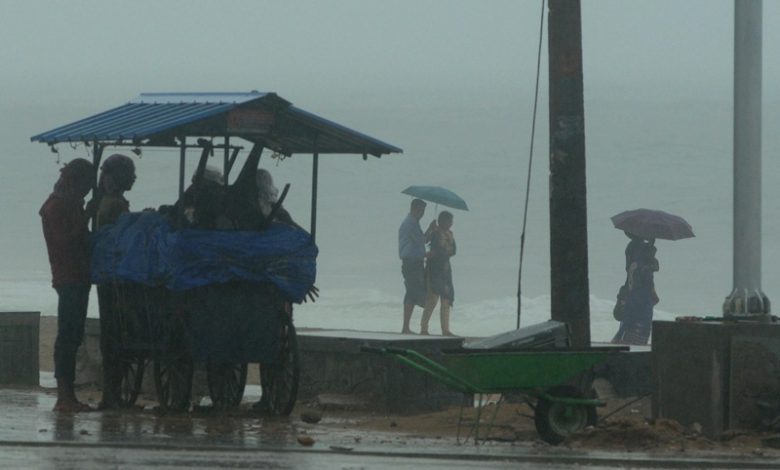
India’s monsoon season plays a critical role in the economy, influencing everything from food production to electricity demand. If rainfall remains below normal or unevenly distributed, households could begin feeling the financial impact over the next few months through higher prices and increased living costs.
While a weak monsoon does not automatically trigger inflation, it can affect several everyday expenses.
1. Vegetables
Lower rainfall can reduce crop yields, leading to higher prices for vegetables such as tomatoes, onions, and leafy greens.
2. Fruits
Heat stress and water shortages can affect fruit production, potentially increasing retail prices.
3. Pulses
Many pulse crops depend on timely rainfall. Poor monsoon conditions can affect supply and market prices.
4. Rice and Other Grains
Although buffer stocks help stabilize prices, prolonged rainfall shortages may impact agricultural output.
5. Milk and Dairy Products
Higher feed and fodder costs during drought-like conditions can increase dairy production expenses.
6. Cooking Oils
Weather disruptions can affect oilseed crops, contributing to price fluctuations in edible oils.
7. Electricity Bills
Hot and dry weather often increases air-conditioner and fan usage, resulting in higher household power consumption.
8. Water Expenses
In some cities, reduced rainfall may lead to greater reliance on water tankers or additional water management costs.
9. Transportation Costs
Agricultural supply disruptions and increased logistics expenses can indirectly influence transportation and delivery costs.
10. Eating Out
Restaurants may eventually pass on higher food ingredient costs to customers through menu price increases.
Why the Monsoon Matters So Much
The monsoon supports:
- Agriculture
- Reservoir levels
- Hydropower generation
- Rural incomes
- Food supply chains
When rainfall is weak or delayed, its effects can spread across multiple sectors of the economy.
Read This Next
1. Need A Heatwave Survival Plan?
Explore the essential foods, drinks, and habits that can help you stay safe during extreme temperatures.
2. Living In A Hotter Top Floor?
Discover why upper-floor apartments heat up faster and check practical ways to keep them cooler.
3. Ready For New Solar Rules?
Check the latest solar panel regulations, price changes, and approved options under India’s new mandate.
4. Struggling To Cool Indoor Spaces?
Explore affordable cooling hacks that can make suffocating rooms more comfortable during heatwaves.
5. Can Your EV Earn Money?
Discover how vehicle-to-grid technology lets electric vehicle owners power homes and earn from the grid.
Final Words
A weak monsoon does not guarantee widespread price increases, but it can place upward pressure on several household expenses over time. Food, electricity, water, and transportation costs are among the areas most closely linked to weather conditions. As the monsoon season progresses, consumers and businesses alike will be watching rainfall patterns closely to assess their potential economic impact.
FAQs
Can a weak monsoon increase food prices?
Yes. Reduced agricultural production can affect supply and raise prices.
Why does the monsoon affect electricity bills?
Hotter conditions often increase cooling-related electricity consumption.
Are water costs affected by low rainfall?
In some regions, reduced rainfall can increase water supply expenses.
Which food items are most vulnerable?
Vegetables, fruits, pulses, and certain grains can be affected.
How quickly do price changes occur?
Some impacts may appear within weeks, while others can take months to reach consumers.