
Why Your Rooftop Solar Panels Produce Less Power During a 45°C Heatwave – The Hidden Temperature Co-efficient Rule Explained

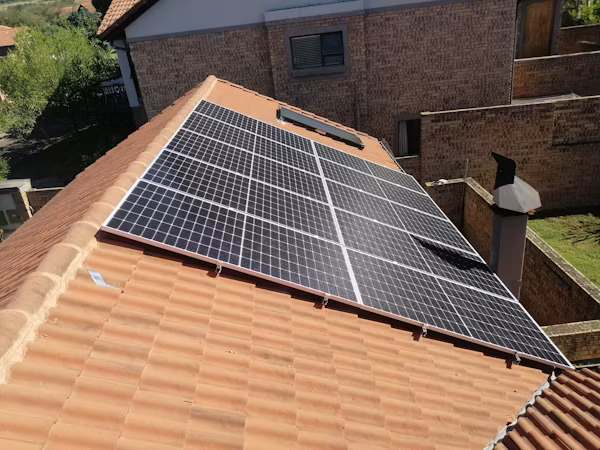
A common misconception among homeowners is that solar panels generate more electricity as temperatures rise. After all, summer brings longer days and stronger sunshine. However, if you’ve noticed your rooftop solar system producing less power during a 45°C heatwave, you’re not imagining things.
The culprit is a little-known specification called the temperature coefficient—one of the most important numbers on a solar panel datasheet.
What Is the Temperature Co-efficient?
Solar panels are rated under laboratory conditions at a cell temperature of 25°C. Once the temperature rises beyond this level, panel efficiency begins to decline.
Most solar panels have a temperature coefficient of around -0.3% to -0.5% per degree Celsius. This means that for every degree above 25°C, the panel loses a small percentage of its power output.
During a 45°C heatwave, panel surfaces can easily reach 60°C to 70°C because they absorb sunlight throughout the day. That can result in noticeable efficiency losses even under bright sunshine.
Why Heat Reduces Solar Output
As solar cells get hotter:
- Electrical resistance increases
- Voltage output drops
- Energy conversion efficiency declines
- Total electricity generation falls
In other words, sunlight helps solar panels produce power, but excessive heat makes the process less efficient.
Hidden Heatwave Effects
Heat doesn’t just affect panels.
Extreme temperatures can also:
- Cause inverter thermal throttling
- Reduce battery charging efficiency
- Accelerate component aging
- Lower overall system performance
This is why some solar systems generate less electricity during peak afternoon heat than during cooler morning hours.
How to Minimise Heat-Related Losses
Homeowners can improve performance by:
- Keeping panels clean and dust-free
- Maintaining airflow beneath the panels
- Using reflective roof coatings
- Monitoring inverter temperatures regularly
Proper installation spacing allows heat to dissipate more effectively.
Final Words
The temperature coefficient is the hidden rule that explains why rooftop solar panels often produce less power during extreme heatwaves. While solar systems still perform well in summer, excessive temperatures reduce efficiency. Understanding this relationship can help homeowners manage expectations and take simple steps to maximise solar generation during India’s hottest months.
FAQs
Do solar panels work in 45°C weather?
Yes, but their efficiency declines as temperatures rise.
What is a temperature coefficient?
In many homes, yes. Indoor temperatures can be approximately 2 degrees Celsius -5 degrees Celsius It measures how much solar panel output decreases with increasing temperature.
Can panel temperatures exceed air temperatures?
Yes. Panels can become much hotter than the surrounding air under direct sunlight.
Does dust worsen the problem?
Yes. Dust reduces sunlight absorption and overall performance.
Can cooling improve solar output?
Better airflow and lower operating temperatures can help improve efficiency.