
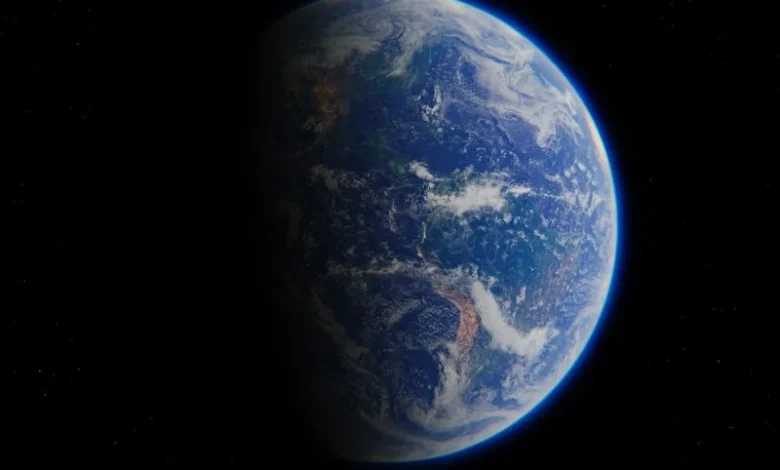
Every spring, scientists watch the sky above Antarctica for one thing: how big the ozone hole gets. The good news was real in 2025. Earth’s protective ozone layer shrank to its fifth smallest size since 1992, closing weeks earlier than normal. This matters more to people from Lagos to London to Lima than it might seem. Ozone loss matters for sunlight, skin health and farming everywhere, not just near the South Pole.
What Really Happened to the Ozone Hole in 2025
Between September and October 2025, the ozone hole averaged about 7.23 million square miles, about twice the size of the continental United States, NASA and NOAA said. That sounds like a lot, but it is far smaller than the huge holes recorded in the early 2000s. The hole also closed on December 1, nearly three weeks earlier than the average for the past decade, the Copernicus Atmosphere Monitoring Service said.
Why is the ozone hole getting smaller?
The reason is years of international team work. In 1987, countries signed the Montreal Protocol, committing to phase out CFCs and other similar chemicals once commonly used in fridges, air conditioners and spray cans. The amount of chlorine in the atmosphere has been steadily declining since 2000 and scientists say this is now showing real results in the sky above Antarctica.
Why It Matters to Regular People Across the Globe
•Less ozone damage = lower long-term risk of skin cancer and cataracts from UV exposure.
•Farmers benefit as well, because strong UV rays can kill crops and lower yields.
•The biggest benefits are for countries in Africa, South Asia or Latin America where people work outside and have little protection from the sun.
•It proves that even international climate agreements signed decades ago can be effective
A Note of Caution
Experts are not exaggerating the victory. One good year doesn’t mean the job is done. Natural events, such as the 2022 Hunga Tonga volcanic eruption, can still inject moisture into the upper atmosphere and temporarily speed up ozone loss. Levels prior to 1980 are not expected to be fully recovered until the middle of this century.
Things You Can Still Easily Do
•Purchase air conditioners and refrigerators with an ozone friendly label.
•Don’t use old aerosol products that may still contain banned chemicals.
•Support local recycling programs for old cooling equipment.
•Stay up to date through your national environment ministry or the UN Environment Program website.
Conclusion
There is rare good news this year about the environment: the ozone hole is shrinking. It is evidence that when countries commit to a common purpose there is real healing, even on a planetary scale. The sky over Antarctica is not yet settled, but it’s finally on the right track, and that progress is for all of us on Earth.
More stories on extreme weather.
Why Is Bangladesh Facing Flood Risks?
Find the latest climate insights.
What’s Driving India’s Weather Split?
Check out the extreme weather patterns.
Is Sonamarg Travel Safe Today?
Get to know the latest advisory.
How Severe Are China’s Floods?
Browse the latest emergency updates.
Why Is Northeast India Flooding?
Uncover the unusual jet stream effects.