Why Are Cities Investing in Underground Transportation?
Discover why cities invest in underground transportation to reduce traffic, save space, cut emissions, and improve urban mobility for future growth today.

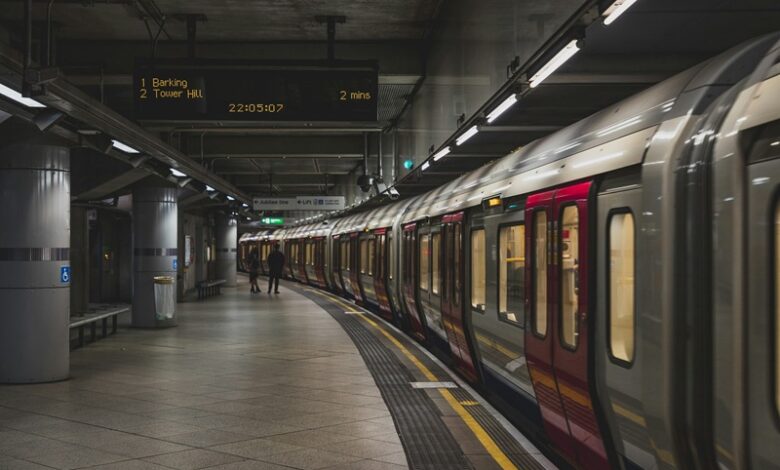
As urban populations continue to grow, cities around the world are turning to underground transportation to reduce traffic congestion, improve mobility, and make better use of limited land. Underground systems such as metro rail networks, tunnels, and underground roads help move large numbers of people efficiently while reducing pressure on surface streets.
Why Are Cities Building Underground Transportation?
1. Reducing Traffic Congestion
Underground transport helps move commuters without adding more vehicles to already crowded roads, easing traffic in busy urban areas.
2. Saving Space
Building below ground preserves valuable surface land for parks, buildings, and public spaces, especially in densely populated cities.
3. Faster Travel
Metro trains and underground tunnels often avoid traffic signals and congestion, allowing passengers to reach their destinations more quickly.
4. Lower Air Pollution
Reliable underground public transport encourages people to use cars less often, helping reduce vehicle emissions and improve air quality.
5. Supporting Population Growth
As cities expand, underground transport systems provide the capacity needed to serve millions of additional residents.
6. Improving Public Transport
Modern underground networks are often connected with buses, trains, and cycling infrastructure, making travel more convenient.
7. Better Weather Protection
Underground systems are less affected by heavy rain, snow, extreme heat, and other weather conditions, making them more reliable.
8. Boosting Economic Development
New metro stations and underground transport corridors often attract businesses, increase property values, and support local economic growth.
More heatwave stories worth reading.
Why Track Marine Heatwaves So Closely?
Uncover the science behind rising ocean temperatures.
How Are Heatwaves Hitting Transit?
See how extreme heat disrupts daily travel.
Why Are Nuclear Plants At Risk?
Find cooling challenges facing power stations.
How Do Heatwaves Threaten Reservoirs?
Browse key efforts protecting water supplies.
Which Countries Face Military Heatwaves?
Check out where extreme heat affects defense operations.
Conclusion
Underground transportation is becoming an essential part of modern city planning. By reducing congestion, improving travel times, lowering emissions, and making better use of urban space, underground transport systems help create more efficient, sustainable, and livable cities.
FAQs
Q: What is underground transportation?
A: It includes metro rail systems, underground roads, and tunnels built below the city’s surface.
Q: Why do cities build underground instead of expanding roads?
A: Underground systems save space, reduce traffic, and provide high-capacity transport without using additional surface land.
Q: Is underground transportation environmentally friendly?
A: Yes. It can reduce car use, lower greenhouse gas emissions, and improve air quality.
Q: Why are underground transport projects expensive?
A: They require extensive excavation, advanced engineering, safety systems, and long construction periods.