
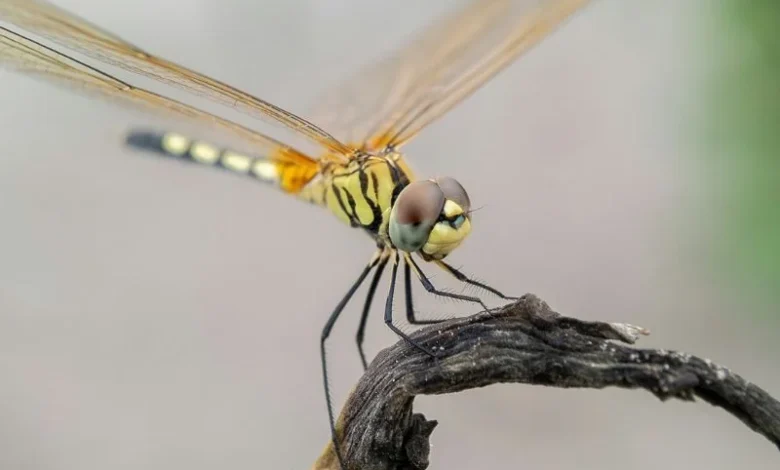
Most of us grew up thinking insects were mainly there to feed birds, frogs and fish. New research tells a different story. It turns out insects play a critical role in ecosystems in ways we barely notice day to day. insects role in ecosystems, From keeping soil alive to pollinating the crops on our plates, their work holds nature together, and losing them would hit food supplies and livelihoods far beyond anything we’d expect.
Insects Do More Than Just Provide Food in Ecosystems
Insect populations have been studied by researchers around the world, and they do jobs that no other group of animals can really do. They break down dead leaves and carcasses, recycling waste into the nutrients that the soil needs to remain fertile. They help keep the pest numbers down naturally, so that farmers do not have to use as much chemical spray. And they pollinate about 87 percent of the world’s major food crops, a job that’s directly connected to the food on our tables and the micronutrients our bodies need.
This isn’t some distant scientific detail. Whether someone’s farming a small plot in Kenya, living in an apartment in Manila, or raising a garden in a Canadian suburb, insect activity is quietly shaping food prices, soil quality and even local water systems in the background.
The Hidden Cost of Ignoring Insect Conservation
Here’s the problem: insect conservation still gets a fraction of the attention and funding given to bigger, more “likeable” animals. Studies show most insect species have little to no legal protection, even though their decline can trigger weaker soil, collapsing food webs and real trouble for farming communities that depend on them.
Why This Matters for Food Security and Local Livelihoods
In many parts of South Asia and Africa, smallholder farmers rely directly on pollinators for their fruit and vegetable harvests. In parts of Northeast India, some communities even eat certain insects as a traditional, low-emission protein source, a reminder of how closely biodiversity, nutrition and rural income are connected.
A few simple steps can help, wherever you live:
- Cut back on pesticide use in home gardens or small farms
- Plant native flowering species that local pollinators actually recognise
- Look into local biodiversity schemes that fund habitat restoration
- Leave hedgerows, leaf litter and wild patches alone instead of tidying them away
Several governments and non-profits already run pollinator protection programmes, from Europe’s biodiversity targets to small community pollinator gardens. A quick check of your local agriculture or environment department’s website often turns up something worth supporting.
Conclusion – insects role in ecosystems
The research makes one thing clear: ecosystem health depends on insects doing jobs most of us never think about, not just serving as a meal for bigger animals. Protecting pollinators and other insect species isn’t a niche concern for scientists; it’s a practical move toward steadier food systems and healthier environments everywhere. Small actions, planting the right flowers, skipping a spray, backing a local group, add up faster than people expect. Next time an insect lands near you, it’s worth remembering it might be doing more for the planet than you ever gave it credit for.
More stories on extreme weather.
Why Is Bangladesh Facing Flood Risks?
Find the latest climate insights.
What’s Driving India’s Weather Split?
Check out the extreme weather patterns.
Is Sonamarg Travel Safe Today?
Get to know the latest advisory.
How Severe Are China’s Floods?
Browse the latest emergency updates.
Why Is Northeast India Flooding?
Uncover the unusual jet stream effects.