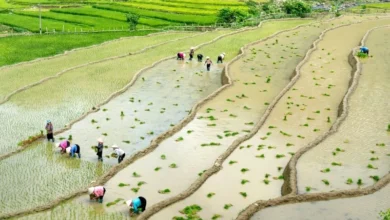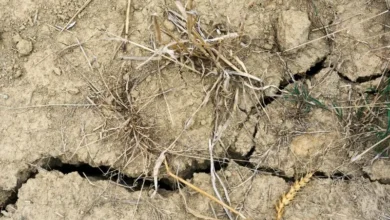

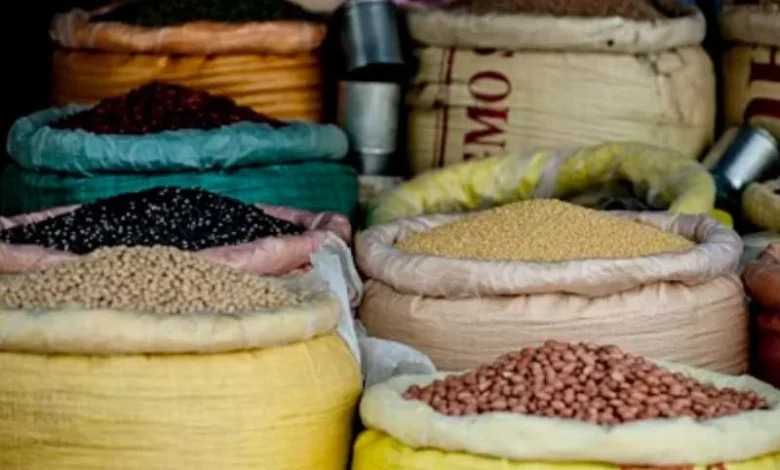
Farmers across India are bracing for a difficult winter planting season. The country’s food production target for 2026-27 has been brought down to 373.93 million tonnes, which is 2.63 million tonnes lower than last year’s figure. india food grain target, Officials say this cautious step is a direct response to a worsening El Niño pattern that has thrown rainfall across many states out of balance. The decision matters not just for Indian households but for global grain markets too, since India is a major supplier of wheat, rice and pulses.
Why the Target Was Lowered
Union Agriculture Minister Shivraj Singh Chouhan explained that the revised numbers were worked out using real ground conditions, such as reservoir water levels, soil moisture and direct input from state governments. Out of the overall target, 177.72 million tonnes is expected to come from the Rabi season, the winter cropping cycle that covers wheat, gram and mustard. States have been asked to steer farmers in dry regions away from water-heavy crops and push them toward pulses and oilseeds instead, since these need far less irrigation to survive.
How Bad Is the Drought Situation
The numbers paint a worrying picture. More than half of India, around 52.5 percent of the country, was facing dry or drought conditions by mid September, up sharply from under 40 percent only a month before. Maharashtra has already declared drought in 265 of its 358 talukas, and Karnataka has kept adding more affected areas through the month. Both states have asked the central government for support, and teams are being sent to assess the damage on the ground.
The pressure is already showing in this year’s kharif harvest. Paddy sowing dropped by nearly 1.7 million hectares compared with last year, with the sharpest falls seen in Karnataka, Telangana and Andhra Pradesh.
What It Means for Farming Families
For farmers, this is not just a policy update, it is a question of how to plan the next few months with limited water. Many still depend on local cooperative societies and simple mobile alerts for weather updates rather than formal banking or digital platforms. A few practical steps are now being rolled out at the district level:
- States must prepare crop plans based on local water availability, not just past habits
- Groundwater levels will be checked before Rabi sowing starts
- Farmers in low-rainfall areas are being guided toward pulses and oilseeds
- A nationwide awareness drive called the Khet Bachao Abhiyan will run from October 22 to November 30, focused on soil health and crop diversification
Conclusion – india food grain target
India lowering its food production target is not a sign of crisis, but a sensible adjustment to a changing climate reality. In the months ahead, we’ll see if farmers and local governments do well with the water they have — and how much they have. For now the advice is simple and practical: plan around real water availability, grow crops suited to the conditions, and avoid water-hungry crops in areas already to run out.
More stories on extreme weather.
Why Is Bangladesh Facing Flood Risks?
Find the latest climate insights.
What’s Driving India’s Weather Split?
Check out the extreme weather patterns.
Is Sonamarg Travel Safe Today?
Get to know the latest advisory.
How Severe Are China’s Floods?
Browse the latest emergency updates.
Why Is Northeast India Flooding?
Uncover the unusual jet stream effects.