Daintree Rainforest Runway Turned Into a Thriving Wildlife Corridor With 24,500 Trees

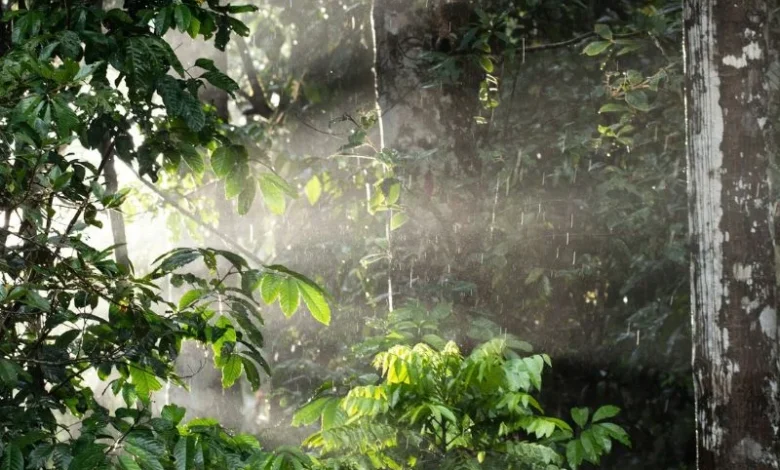
For years, a strip of bare, cleared land ran straight through one of the oldest tropical rainforests on Earth. That gap has finally closed. Australia has replanted a former runway in the Daintree Rainforest corridor with 24,500 trees, turning what used to be open grass and dirt into dense, living forest. The project reconnects a vital wildlife corridor, and that single change is already making life easier for the animals that call this part of Queensland home.
Why This Patch of Land Mattered So Much
The site is known as the old Cow Bay Airstrip, a small aviation strip that had sat unused and exposed for years in the Daintree lowlands. On a map, it might have looked like nothing more than a thin break in the green. But to ecologists working in the region, that break was a real problem. Rainforests only function well when they stay connected. Cut a path through the middle, and animals suddenly lose access to food sources, mates, and safe routes to move between habitats. Left alone, these gaps slowly turn healthy forest into disconnected patches where wildlife struggles to hold on.
How the Replanting Actually Came Together
Local conservation groups worked alongside landholders to get this done properly, rather than rushing a quick fix. Native seedlings were raised in nearby rainforest nurseries before being planted across the old runway, with species chosen to match what naturally grows in the surrounding bush. A few things stood out about how the project was run:
- Roughly 24,500 native trees went into the ground across the former airstrip
- Species were picked to rebuild both the tall canopy and the lower, shadier layers beneath it
- Early checks already show good survival rates and steady growth
- Camera traps were set up across the site to track which animals are returning
A Real Lifeline for the Southern Cassowary
One species that benefits enormously from this work is the Southern Cassowary, a large flightless bird found only in parts of northern Australia and New Guinea. Cassowaries carry the seeds of many large rainforest fruits that almost nothing else can spread. When forest connections break down, their numbers get isolated and harder to sustain. Now that the runway is reforested, cassowaries and tree kangaroos have an open route between forest areas that were cut off from each other for years. This is bigger than simply planting trees. It is about bringing an entire ecosystem back to working order.
What Comes After the Planting
The trees are in the ground, but the job is not finished. Teams are busy removing invasive weeds before they strangle young growth, monitoring survival rates over the next few seasons and keeping the camera traps running to document which species return and when.
Conclusion – Daintree rainforest corridor
Transforming a forgotten Daintree runway into a reconnected wildlife corridor is a small but powerful example of what can be achieved through steady, well-planned restoration. It is a reminder, however modest, that even a cleared, lifeless strip of land can be restored to support real biodiversity again, and projects like this one offer a practical model for rainforest restoration elsewhere in the world.
Wildlife stories worth watching closely.
Which Countries Face Wildlife Loss?
Check out global hotspots where endangered species need urgent protection.
What Makes This Monkey So Rare?
Find out about the newly discovered orange-lipped monkey in Congo.
Why Are Andaman Species Disappearing?
Uncover why these unique species need immediate conservation efforts.
Can AI Help Save Wildlife?
See how AI is transforming endangered wildlife monitoring.
Which Species Are Near Extinction?
Look into wildlife facing the highest risks of disappearing.