
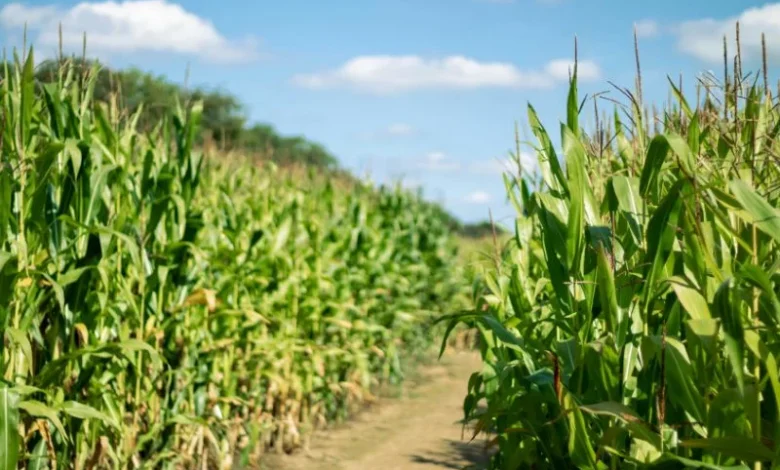
For decades, maize was the crop farmers in Hungary and Romania could count on. EU maize harvests, That certainty is gone. Heat records keep breaking, rain keeps skipping seasons, and a region once known as one of Europe’s grain baskets is now bracing for smaller harvests, and in Hungary’s case, the need to buy maize from abroad.
Why the Maize Heartland Is Struggling
A farmer in northeast Hungary put it simply: fields that produced 17 tons per hectare around 2010 barely produce a third of that now. The rain that used to fall, close to 1,000 millimetres in a season, has all but stopped coming. Over the last ten years, June and July temperatures in Hungary have run about 3.1°C hotter than the 1961 to 1990 average. Romania isn’t far off, with summer highs sitting around 3°C above historical norms.
Soil moisture readings in both countries have dropped below the wider EU and OECD averages. Researchers studying the trend say it directly threatens crop output, water supply, and, eventually, food security across the region.
What This Means for EU Food Security
- Hungary, which used to export maize regularly, is now expected to bring it in from other countries this year
- Romania’s surplus for export has fallen sharply compared with 2018 and 2019
- Some farmers are giving up on maize altogether and switching to crops that need less water
- Areas without irrigation are seeing the steepest losses
The consequences don’t stop at the farm gate. Maize is used to feed livestock, process food, and fill export orders that other nations rely on. When two of the EU’s biggest producers pull back, buyers as far away as Asia and Africa feel the effect through tighter grain markets and higher feed costs.
Steps Farmers and Buyers Can Take
- Look into drought-resistant maize varieties suited to local soil
- Add low-cost, water-saving irrigation methods where possible
- Follow EU drought monitoring updates and regional weather warnings
- Traders and buyers should keep sourcing contracts flexible instead of locking into one region
A Region at a Turning Point – EU maize harvests
What’s happening in Hungary and Romania isn’t just a local farming setback. It’s a warning sign for how climate shocks are starting to change maize production across Europe. Farmers, governments, and grain buyers all have decisions to make in the next few seasons, and those choices will shape food prices well beyond the region’s borders.
Track the latest climate changes.
Is Your Seafood Becoming Riskier?
Find how El Niño affects ocean pollution.
Why Are Heatwaves Getting Worse?
Check out the link between monsoons and El Niño.
What Happens During Super El Niño?
See the major weather changes ahead.
Could Food Prices Rise Soon?
Uncover how climate affects grocery costs.
How Will Weather Patterns Change?
Get to know this summer’s biggest climate shifts.