Southeast Asia’s Oak Trees Face Growing Threat as New Report Exposes Weak Forest Protection

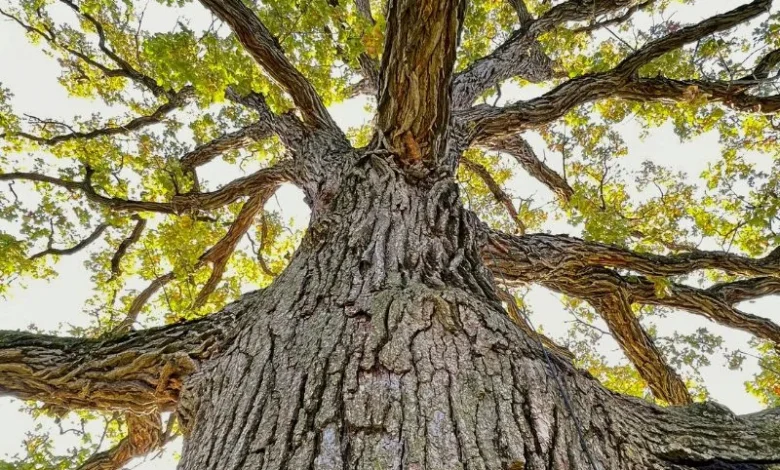
Oak trees aren’t the first trees that come to mind when people picture Asian forests, but the region quietly hosts one of the richest collections of oak trees species on Earth. A new conservation report says many of these Southeast Asia oak trees are now in serious trouble, in large part because forest protection across Southeast Asia is weak and inconsistent.
Why Southeast Asia’s Oaks Matter More Than People Think
Of the 430 known oak species in the world, 172 of them are native to Southeast and East Asia. Researchers from the Morton Arboretum studied 54 species already on the threatened or data deficient lists. Their results were alarming: 46 species were under very high or high human pressure across more than half of their natural range in 2024 alone.
The Biggest Threat Comes From Farming and Plantations
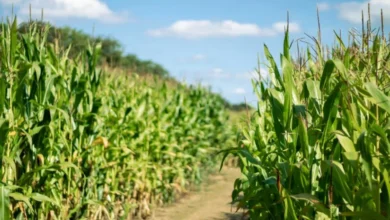
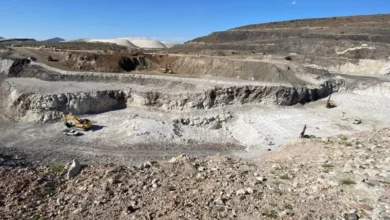
The report warns directly cautions that agricultural expansion is the primary driver of decline. Rubber, oil palm and pulpwood plantations were major threats to nearly two-thirds of the species studied. As farmland eats into forested hills, oak habitat continues to shrink year by year.
Vietnam in the Eye of the Tempest
Vietnam is the heart of oak biodiversity in the region with 33 threatened or poorly studied species, 15 of which are found nowhere else in the world. Three of the four major oak biodiversity hotspots in Southeast Asia, and the fourth in Thailand’s Doi Inthanon National Park, are in the Annamite mountain range shared by Vietnam, Laos and Cambodia.
A Perilous Protection Gap
Most disturbing of all, perhaps, is the absence of lack of protection for these trees.
•All 54 studied species had 40 percent or less of their natural ranges in protected areas.
•Ten species were under 10 percent coverage.
•Botanic gardens or seed banks only store 14 species as an insurance policy.
•Only one of the 16 critically endangered oaks, Quercus camusiae, is in such a collection.
What Should Happen Now
Conservationists say saving these species requires more than paper protection. To reverse this trend, effective protection of forests, targeted surveys, reforestation and improved botanic garden collections are essential.
A simple checklist to help save oaks
•Support organizations funding forest restoration in Vietnam, Laos and Cambodia.
•Choose rubber and palm oil products that are sustainably certified.
•Follow verified conservation groups for updates on biodiversity efforts in your region.
•“Make local governments increase the protected forest areas.
Conclusion – Southeast Asia oak trees
One of the most overlooked treasures of Southeast Asia is slipping away from its forests. Without better protection and a worldwide focus, many of these ancient oak species could disappear before most people ever knew they existed. Every choice we make, from what we buy to what we support, can be part of the solution to this silent crisis.
Track the latest climate changes.
Is Your Seafood Becoming Riskier?
Find how El Niño affects ocean pollution.
Why Are Heatwaves Getting Worse?
Check out the link between monsoons and El Niño.
What Happens During Super El Niño?
See the major weather changes ahead.
Could Food Prices Rise Soon?
Uncover how climate affects grocery costs.
How Will Weather Patterns Change?
Get to know this summer’s biggest climate shifts.