Sundarbans Mangrove Collapse: Why the World’s Largest Mangrove Forest Is a Warning for Every Coastline

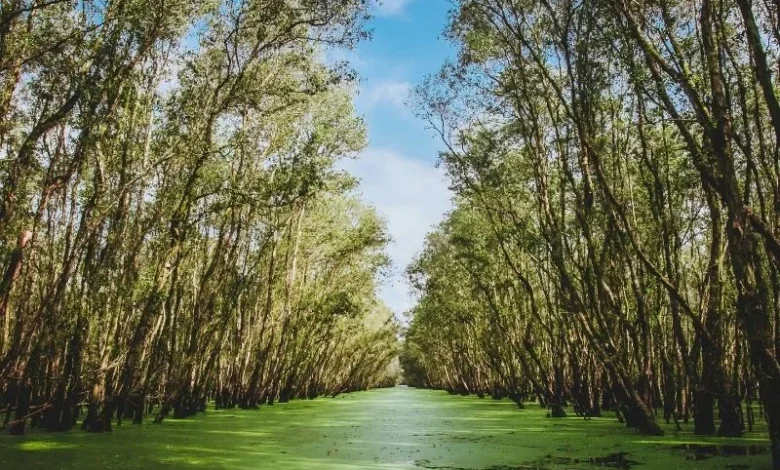
The Sundarbans mangrove collapse forest, stretching across India and Bangladesh, is the biggest mangrove forest left on the planet. For decades it has stood as a natural wall against cyclones and creeping seas. But when researchers walked through the region in 2026, they found a dried-up pond, cracked at the edges, in a place where water was never meant to disappear. That single image says more than any statistic, and it points to something bigger than the Sundarbans alone.
What’s Actually Going On There
The delta sits where the Ganges, Brahmaputra and Meghna rivers meet the Bay of Bengal. Around four million people build their lives around it: fishing, farming, and sheltering behind it when storms roll in.
Nothing here is one big dramatic event. It’s slower, and in some ways more worrying because of it. Embankments meant to hold tidal rivers back are crumbling faster than villagers can patch them. Most repairs these days are mud and bamboo, thrown together before the monsoon, not proper rebuilding.
Salt water keeps creeping inland. Land that once gave two rice harvests a year now barely manages one. Ponds families depended on for fresh fish are turning brackish, and once that happens, there’s usually no going back.
Why This Isn’t Just Bangladesh and India’s Problem
The same pattern is already appearing elsewhere. The Mekong Delta in Southeast Asia, the Nile Delta in Egypt, and the Niger Delta in Nigeria all face the same slow squeeze: rising seas, weakening natural defences, and salt working into land never built to handle it.
Main drivers of the collapse:
- Rising seas pushing salt into farmland and fish ponds
- Embankments failing faster than they can be fixed
- Thinning mangrove cover, so storms hit harder
- Falling fish stocks, hitting household income directly
Where the Climate Money Actually Goes
Both governments receive international climate funding, and most of it lands in big-ticket items like embankment contracts and replanting programmes. Useful, but none of it reaches the family deciding whether to keep fishing a pond that barely produces, take a factory job, or sell the last of their livestock. That decision happens at the kitchen table, not in a funding report.
Conclusion – Sundarbans mangrove collapse
What’s happening in the Sundarbans didn’t arrive overnight. It’s years of quiet strain finally surfacing. The same pressure is building in deltas worldwide, whether people notice yet or not. Other coastlines still have a window to act before reaching this same point. It’s narrow, but it’s there.
Track the latest climate changes.
Is Your Seafood Becoming Riskier?
Find how El Niño affects ocean pollution.
Why Are Heatwaves Getting Worse?
Check out the link between monsoons and El Niño.
What Happens During Super El Niño?
See the major weather changes ahead.
Could Food Prices Rise Soon?
Uncover how climate affects grocery costs.
How Will Weather Patterns Change?
Get to know this summer’s biggest climate shifts.