Singapore Crow Culling Sparks Debate Over Urban Wildlife Management in Cities Worldwide

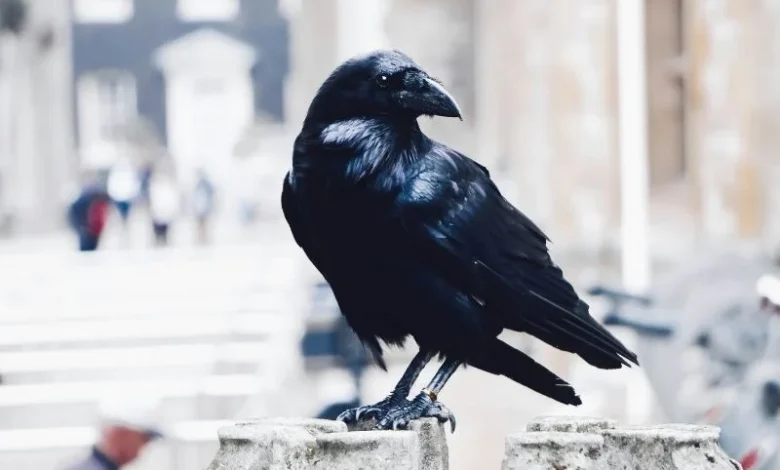
Singapore spent years turning itself into one of the greenest cities in Asia, filled with trees, parks, and open-air food centres. That same design has quietly fed an explosion in crow numbers across the island. urban crow culling, Now officials are back to shooting the birds, and the whole episode raises a question most crowded cities will eventually face. What happens when a city accidentally builds the perfect home for wildlife it never wanted?
Why Singapore Is Shooting Crows Again
Back in March, Singapore’s National Development Minister confirmed that the crow-shooting campaign would resume, following complaints about crows swooping at pedestrians and cyclists. Officials admit the gentler approach, tree pruning, trapping, and pulling down thousands of nests, hasn’t worked well enough alone. Wildlife officers at the National Parks Board expect shooting combined with those measures to bring numbers down gradually, though no one is promising quick results.
The Real Cause Behind the Bird Boom
Not everyone thinks this fixes anything. Albert Liu from Nature Society Singapore has been blunt, saying culling mostly makes people feel like something is being done, without touching the real cause. That cause, according to most researchers, comes down to urbanisation. Tree-lined streets give crows ideal nesting spots. Public housing blocks offer pigeons and mynas sheltered ledges. Hawker stalls leave food scraps behind, and some residents still feed the birds despite it being illegal.
A large global review of hundreds of studies found the same pattern everywhere, bird numbers climb wherever food is plentiful and predators are scarce. With Singapore still clearing forest land for new housing, that pressure is unlikely to ease soon.
What Other Cities Can Learn
A few steps tend to make a real difference over time:
- Educate residents about illegal bird feeding, not just fine them.
- Redesign ledges and rooftops so nesting becomes harder.
- Manage food waste more carefully near markets and hawker centres.
- Involve groups like the Urban Birds Initiative in long-term planning.
- Track bird population data yearly instead of reacting only after complaints rise.
A Global Pattern, Not Just a Local Problem
Singapore isn’t alone. Cities across South Asia, Africa, and Latin America face the same tension between fast urban growth and birds that adapt almost too well to it. Wildlife scientist John Marzluff put it simply, unlimited food and shelter will always mean more birds. Not a mystery, just biology.
Conclusion – urban crow culling
At its core, Singapore’s crow problem says more about city planning than about crows. Shooting a few thousand birds may quiet complaints for a season, but numbers will keep bouncing back until cities rethink food waste, greenery, and building design from the start.
Track the latest climate changes.
Is Your Seafood Becoming Riskier?
Find how El Niño affects ocean pollution.
Why Are Heatwaves Getting Worse?
Check out the link between monsoons and El Niño.
What Happens During Super El Niño?
See the major weather changes ahead.
Could Food Prices Rise Soon?
Uncover how climate affects grocery costs.
How Will Weather Patterns Change?
Get to know this summer’s biggest climate shifts.