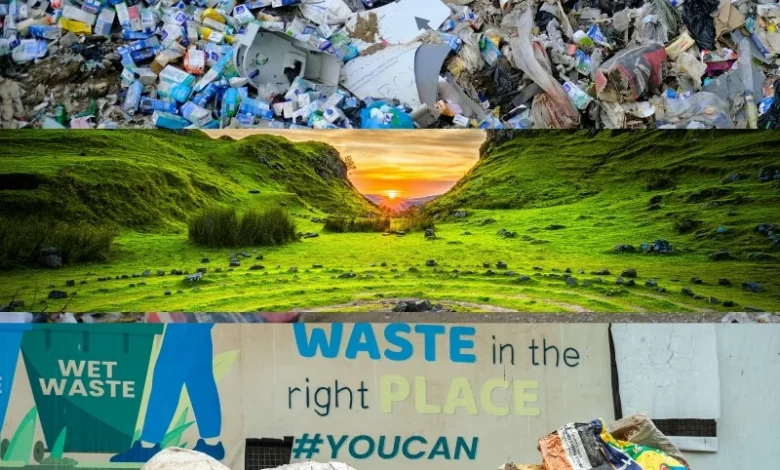
Phones and laptop computers are getting thrown into trash bins faster than they can be recycled. The world produced more than 62 million tonnes of global e-waste in 2022, an increase of 82% since 2010, and the UN estimates this will reach 82 million tonnes by 2030.
What Percentage Was Recycled?
Formal collection and recycling is just 22.3%. The rate of e-waste disposal is about five times faster than the rate of recycling of global e-waste, while most of the remaining products are either simply thrown away, dumped or disposed of through informal means. Recycling rates in many African countries are below 1%.
What Will Happen?
Heavy metals like lead, cadmium, and mercury are present in e-waste. Each year, an estimated 58,000 kg of mercury and 5 million kg of flame-resistant plastics enter the environment, causing adverse effects on the land and air.
Why Does Recycling Matter Here?
As per our estimate, formal recycling has helped keep 93 million tonnes of carbon dioxide equivalent emissions out of the environment, but only 1% of rare earth demand is met through formal recycling practices, so there are many mining activities yet to be conducted, as described in our report on lithium mining.
You May Also Like
What went wrong in 2025?
Read about 12 major environmental disasters.
Where do old clothes go?
Inside Chile’s fashion graveyard in the Atacama.
Is sand really running out?
Explore why the world is short of sand.
Why is concrete a big emitter?
See how cement drives climate change.
Which countries run on clean power?
See who relies almost entirely on renewables.