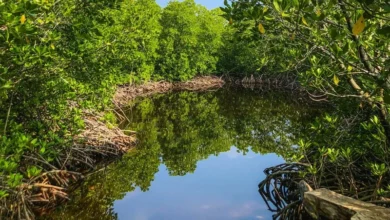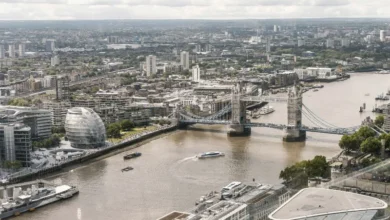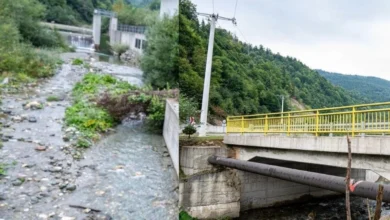

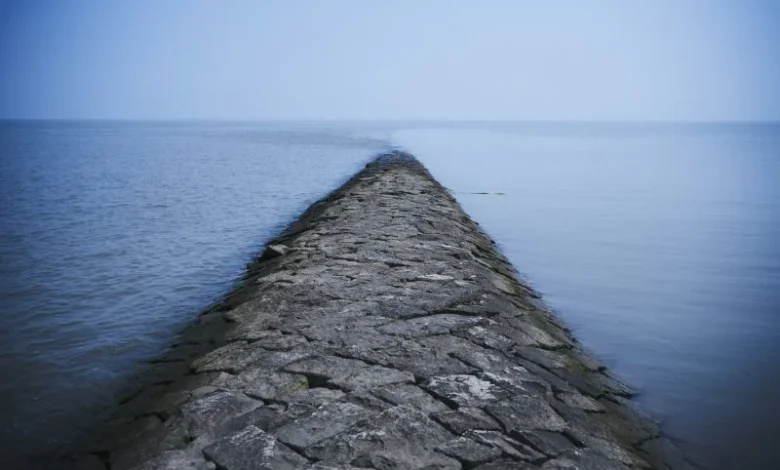
Most people never think about salt marshes until a storm hits and the water doesn’t stop where it used to. These muddy, grassy strips along the coast protect towns from floods, store carbon and feed fisheries that families depend on. But as sea level rise speeds up, marshes are being pulled under faster than they can build themselves back up, and researchers are running out of time to figure out what comes next.
How Marshes Normally Keep Up With the Sea
A healthy marsh survives rising water by trapping sediment during high tides and layering dead plant matter into the mud below it. Over years, this raises the marsh floor bit by bit. That worked fine when the sea rose slowly and steadily. Now, even along stretches of the US East Coast where marshes are building elevation faster than they used to, the water is still winning. Researchers looking at the Mississippi Delta say parts of it have already passed the point where recovery is possible, and the marsh drowning there is largely locked in.
Why a Disappearing Marsh Is Not Just a Local Problem
- It buffers storm surge, which means less flood damage to homes, roads and farmland further inland.
- It acts as a nursery for shrimp, crab and fish that coastal families rely on for food and income.
- Its soil holds onto large amounts of carbon that would otherwise add to warming.
- Once it converts to open mud flat or water, it stops doing any of the above.
A recent federal study found that most wetlands along the Atlantic, Pacific and Gulf coasts of the United States are on a path to shrink or turn into open water within decades. The pressure is not limited to America. Similar stress is showing up in coastal wetlands and mangrove belts from the Philippines to Bangladesh, where families already deal with flooding, salt creeping into farmland, and smaller catches at sea.
What Scientists Are Actually Trying
- Planting “living shorelines,” vegetation placed to hold sediment in place naturally.
- Spraying a thin slurry of mud and water onto marshes to buy them a few extra millimetres of height.
- Setting aside inland land so marshes have somewhere to retreat to as water rises.
- Rebuilding damaged wetland patches through active coastal restoration projects, some already underway in the US.
Steps Coastal Communities Can Take Now
- Support local mangrove or marsh restoration groups if any exist nearby.
- Push back against seawalls or development that blocks a marsh’s path inland.
- Ask the local government to include wetland protection in coastal planning decisions.
- Keep an eye on flooding and fish catch changes through local fisheries or environment offices.
Conclusion – sea level rise
No marsh can out-build the sea forever, but the next ten years will decide how much of this natural protection survives, through the land set aside for marshes to move into, the wetlands restored before they’re lost, and how quickly the world manages to slow the pace of the rise itself. A saved marsh today is one less flood barrier a community will have to pay for tomorrow.
Explore More: Discover the Ideas and Innovations Shaping Tomorrow
Which Technologies Will Transform Industries Next?
Discover the breakthrough technologies that could reshape traditional industries and the future of work.
Why Are Wetlands So Important Globally?
Explore the world’s most important wetlands and learn why they are vital for nature and humanity.
Can Innovation Improve Renewable Energy Reliability?
Check out the latest innovations making renewable energy cleaner, smarter, and more dependable.
Which Countries Lead Green Living?
Discover the 2026 ranking of the world’s greenest countries and their sustainability achievements.
How Are Cities Fighting Climate Change?
Explore the cities investing in climate-resilient infrastructure to prepare for a changing future.