Bangkok Wildlife Market Sees Surge in Latin American Species Smuggled Across the Globe

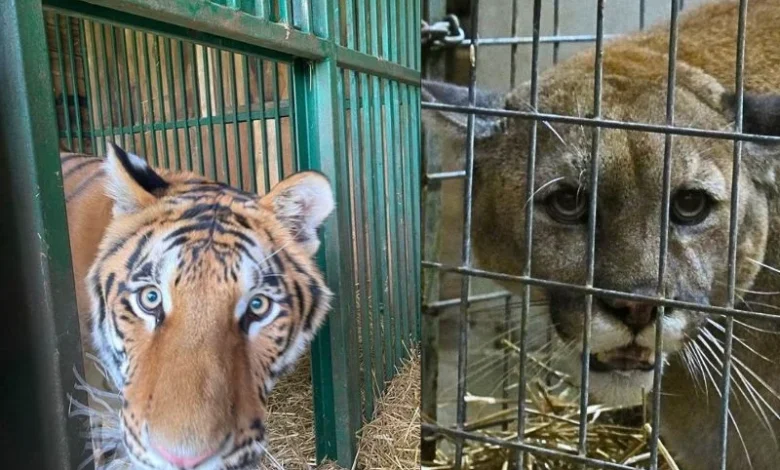
Monkeys, turtles and rare fish from South America are now appearing for sale in a crowded market in Thailand, thousands of miles from the Amazon rainforest. Bangkok wildlife market, Conservation groups say the number and variety of Latin American species popping up at this Bangkok market has exploded in the past two years, suggesting a trafficking network that crosses continents and operates with alarming ease.
Bangkok Wildlife Market: What’s Going On
At one of Bangkok’s busiest shopping destinations, Chatuchak Market, investigators have seen an increase in exotic animals from Latin America. Marmosets, capuchin monkeys, tamarins, capybaras and matamata turtles are kept in cramped cages alongside normal pets such as dogs and cats. “Every time we go, we see new species,” says the wildlife monitor, a sign the wildlife trade is not slowing but growing.
How the Wildlife Trafficking Route Operates
The journey often starts deep in the Amazon basin, where animals are poached in Colombia, Brazil and neighbouring countries. Many pass through Iquitos in Peru, a river city where lax enforcement and fraudulent paperwork allow wild-caught animals to be mislabeled as captive-bred. Traders exploit this loophole to move them legally on paper, while the animals are actually stolen from the wild.
The animals are flown from Peru around the world, on journeys that can last more than 25 hours and involve several stopovers. There are no direct routes, and so the animals are subjected to extreme stress, poor ventilation and long confinement for animals that are not meant to leave their natural habitat. But what keeps the whole trade running smoothly, despite laws to stop it, is this part of the supply chain that’s often called wildlife trafficking.
The Human and Animal Price
Experts on animal welfare warn of the seriousness of suffering caused by this trade. Wildlife trafficking data from around the world indicate that a large proportion of wild-caught animals die within six weeks of capture, often due to shock, dehydration or injury during transit.
There are also concerns about the conditions at the market itself:
•Tightly packed food stalls and vendors.
•High temperature and poor ventilation for sensitive species.
•More chances of diseases jumping from animals to humans.
•A fire in the same marketplace in 2024 killed over a thousand animals.
•Even after repeated warnings and that tragedy the market still pretty much runs the way it always has.
How online trade is fuelling the problem
Social media is another factor that researchers say is driving this growth. Buyers and sellers now meet through apps and online groups long before an animal makes it to a physical stall. That means the Bangkok market itself is just the visible tip of a much larger digital trade, making enforcement much more difficult for authorities trying to track shipments across borders.
•What Everyday Readers Can Do Do not buy exotic animals offered for sale on the internet or via social media.
•Report suspicious wildlife sales to conservation groups or local authorities.
•Support groups participating in countertrafficking efforts.
•Share info that’s proven, not cute animal pictures from sketchy sources.
Conclusion – Bangkok wildlife market
The discovery of Latin American species in a wildlife market in Bangkok shows the interconnected nature of the illegal wildlife trade, linking distant rainforests to busy city markets through poor regulation and online demand. Real change will call for stronger enforcement in source countries, tighter controls on digital marketplaces and greater public awareness. Every wise consumer choice is another link closed in this global chain.
Wildlife stories worth watching closely.
Which Countries Face Wildlife Loss?
Check out global hotspots where endangered species need urgent protection.
What Makes This Monkey So Rare?
Find out about the newly discovered orange-lipped monkey in Congo.
Why Are Andaman Species Disappearing?
Uncover why these unique species need immediate conservation efforts.
Can AI Help Save Wildlife?
See how AI is transforming endangered wildlife monitoring.
Which Species Are Near Extinction?
Look into wildlife facing the highest risks of disappearing.