
Water has always been the one thing northern Italy’s rice growers could count on. Not anymore. As 2026 stretches into another dry summer, the region that supplies most of Europe’s rice is watching its rivers and lakes shrink to levels nobody expected to see this soon. Italy rice drought, This is not a distant climate warning. It is happening right now, in the fields between Lombardy and Piedmont, and it is starting to hit dinner tables far beyond Italy. The drought in Italy’s rice belt is now one of the clearest signs that Europe’s food-growing regions are not immune to water stress.
Why the Rice Belt Is in Trouble
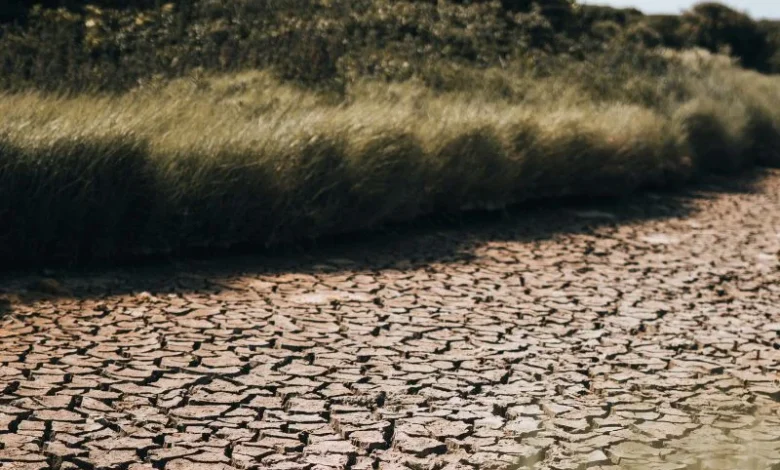
Italy grows more rice than any other country in Europe, with roughly 235,000 hectares planted last year, mostly across the flat, water-rich plains of Lombardy and Piedmont. That system depends on steady flows from Alpine lakes and the Po River, Italy’s longest waterway. This year, the Po River Basin Authority has declared a high level of drought severity. Lake Maggiore, one of the main sources feeding the region’s irrigation canals, is now officially in extreme drought. Water levels along the Po have dropped to record lows for this time of year near Cremona.
Farmers say the situation feels worse than the severe drought of 2022, which was already considered a wake-up call for Italian agriculture.
How Farmers Are Coping with Water Supplies Running Low
Rather than let entire fields dry out, water managers have introduced a rationing system this season. Franco Bullano, who runs water management for the Est Sesia irrigation consortium, explained that different sections of farmland now receive irrigation only in alternating weeks. It is not a permanent fix, but it has kept most of the region from total crop failure so far.
Ironically, part of the reason irrigation is still possible at all is that Alpine glaciers and snowpack are melting faster than usual because of rising temperatures, temporarily topping up the rivers even as long-term reserves shrink.
What This Means for Farmers’ Incomes
The financial damage is already visible. Local farming group Confagricoltura estimates the rice sector around Pavia alone could lose more than €100 million this year. The losses are not just from drought. Farmers are also dealing with higher production costs and falling paddy rice prices, driven partly by competition from cheaper rice imported from outside the European Union.
A Longer-Term Water Problem
Experts point out that Italy currently retains only about 10 to 11 percent of the rainfall that falls each year, meaning most of it simply runs off before it can be stored for dry months. Some farmers are now discussing reviving older practices like winter flooding, which uses water when it is naturally more abundant. New reservoirs have also been proposed, but building them could take decades, far too slow to help with today’s record-low water supplies.
What Readers Elsewhere Should Watch
- Rice prices in international markets, since Italy is a major European supplier.
- Broader Mediterranean drought trends, which are affecting other crops beyond rice.
- Whether the European Union offers emergency support to affected farming regions.
- How irrigation rationing systems, like the one in Lombardy and Piedmont, might become a model elsewhere.
Conclusion – Italy rice drought
Italy’s rice belt is a reminder that drought is no longer just a farming problem confined to hot, dry countries. It is now reaching some of Europe’s most fertile and historically water-rich regions, with real consequences for food prices and rural livelihoods. Until better water storage and long-term planning catch up with the pace of change, farmers in Lombardy and Piedmont will keep relying on short-term fixes like rationing to get through each season.
More Climate Insights
How Is Climate Changing Daily?
Discover today’s real impacts.
What Climate Effects Go Unnoticed?
Uncover hidden everyday changes.
Why Protect Biodiversity Hotspots?
Find nature’s climate solution.
Why Are Monsoons So Unstable?
Learn what’s driving change.
Is Your Home Monsoon Ready?
Check out essential preparations.