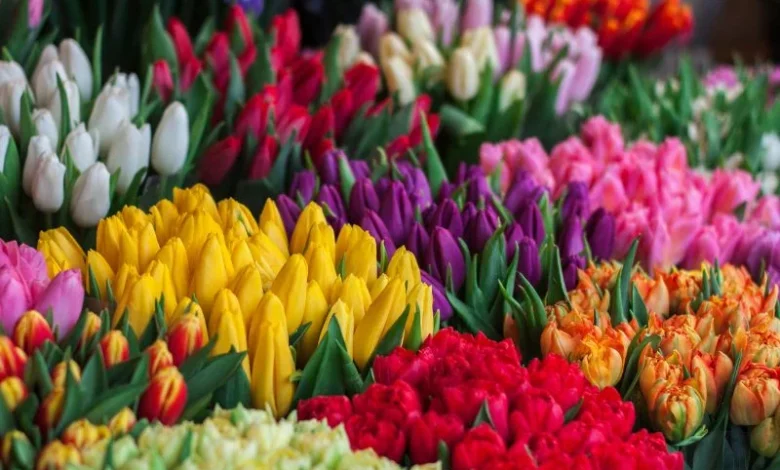
Long before tulips became a staple of spring gardens everywhere, they grew wild in the mountains of Central Asia. wild tulips central asia, That origin story is now turning into a warning. New assessments show more than half of the wild tulip species studied so far are sliding toward extinction, and nobody expected this flower, of all flowers, to be in this kind of trouble.
Why Wild Tulip Populations Are Shrinking
Botanists working under a global biodiversity framework have reviewed dozens of wild tulip species one by one. Roughly half came back threatened. Most grow in two mountain belts, the Tien Shan and the Pamir-Alay, running through Kyrgyzstan, Tajikistan and Uzbekistan, part of a wider Asia region rich in rare plant life. These slopes count among the planet’s great biodiversity hotspots, and that is exactly the problem. There is nowhere else for these plants to go if their current ground fails them.
The Main Threats to Tulip Conservation
Two pressures sit above everything else. Grazing animals trample dormant bulbs underfoot and strip flowers before seeds even form. At the same time, climate change is pushing these mountain plants higher and higher up the slope, until there’s simply no higher ground left to retreat to. The broader impact of climate change on mountain ecosystems is making rainfall less predictable too, bringing landslides and sudden floods into habitats that were never built to handle them.
Mining, new roads, and people digging up bulbs for private collections add further strain, a pattern researchers often call overexploitation. The big, bright red-flowered tulips growing close to villages have taken the worst of this, since their colour practically invites collectors to dig them up.
Garden Tulips Versus Their Wild Relatives
Here’s the part people find confusing. Garden centres sell tulips by the thousand, so how can wild ones be disappearing? The answer is that almost every bulb on sale comes from cultivated stock bred over hundreds of years, not from wild plants. The global wildlife trade in tulips barely touches wild populations directly. What’s actually hurting them is habitat loss, not harvesting for bouquets.
Can These Flowers Still Be Saved
The real goal, conservationists say, isn’t keeping tulips alive through ex-situ conservation in botanical gardens somewhere. It’s keeping them reproducing on their own, in their own mountains, as part of a healthy environment. Nursery-grown bulbs can be reintroduced into the wild, but there’s a catch. Garden tulips crossbreed with wild ones far too easily, producing hybrids that never occurred naturally. Letting those loose would quietly rewrite the genetics of wild wildlife populations, something researchers are determined to avoid. A proper reintroduction needs bulbs that survive, seed that germinates, no hybrid contamination, and a site where the original threats have actually been dealt with first.
Quick Facts for Readers
- Wild tulips are the direct ancestors of every cultivated garden tulip
- Central Asia holds more tulip species than any other region on Earth
- Overgrazing and climate change rank as the top two threats
- The commercial tulip trade relies on cultivated bulbs, not wild-collected ones
Conclusion – wild tulips central asia
A flower can sit on every shop shelf and still be vanishing from the wild at the same time, and that’s exactly what’s happening here. Saving these mountain tulips means managing grazing more carefully, watching how climate shifts reshape these slopes, and treating reintroduction as a job that demands patience, not shortcuts. Back to the conservation groups working on the ground in Central Asia, and these ancient flowers get a real shot at surviving where they first bloomed.
Coral reefs face a growing global threat.
Are Kelp Forests Disappearing Too Fast?
Check out why kelp forests are rapidly declining.
How Is UAE Helping Coral Reefs?
Find out how UAE labs protect coral reefs.
What Helps Coral Reefs Recover Faster?
Uncover what supports reef recovery after bleaching.
Why Are Reefs Collapsing Across Countries?
Track down how climate change drives reef loss.
How Widespread Is Coral Bleaching Today?
Reveal how severely coral ecosystems are affected.