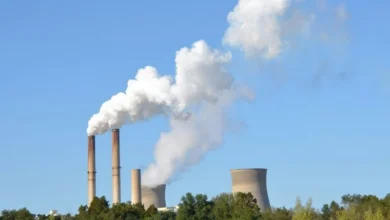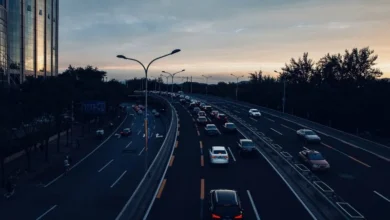
Urban areas absorb heat that rural regions disperse. Urban heat islands, The impacts of urbanization on temperature levels have been evaluated by mapping the temperatures of urban areas compared to rural environments in 44 cities from 2000 to 2017.
When Is the Effect Strongest?
In cities such as Kolkata, Chennai, and Thiruvananthapuram where greenery is present, daytime temperatures are higher in urban areas. In cities like Delhi with little green cover, the temperature differences are higher at night. Urban areas also seem to take longer to cool down. For example, Connaught Place in Delhi is hotter than the forested area nearby called Ridge.
Why Do Different Areas Behave Differently?
In Mumbai, for instance, data has shown that 84.61% of affected zones, namely Maharashtra Nature Park, had temperatures at levels below 43°C, whereas in the concrete Bandra Kurla Complex, 61.04% of areas were hotter than this level. According to the IPCC, the temperature difference between urban and rural areas is more detrimental in areas where vegetation and water bodies are limited.
How Are Cities Cooled? – urban heat islands
It has been noted that green covering such as green roofs and living walls reduce urban heat, according to a study by IIT Bombay. Materials other than asphalt and concrete reduce heat too, and planning must protect green cover, water bodies and wetlands. See why top floors get hotter as well.
Read more Climate Changes:
Is Extreme Heat a Health Crisis?
See why heat is now a health crisis.
Why are top floors hotter?
Learn why apartments can be 8°C hotter and how to fix it.
Which Indian cities face extreme heat?
Discover the regions across India at highest risk from rising temperatures.
Which Hyderabad areas face the worst heat?
Check the neighborhoods most vulnerable during extreme heatwaves.
Can heat pumps cool homes too?
Learn how heat pumps heat and cool efficiently.