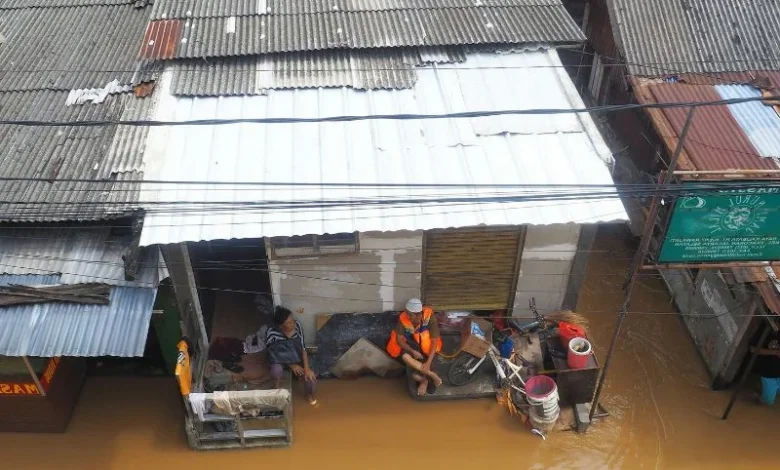
Indian cities are flooding every monsoon season now. urban floods India, WRI India states that between 2000 and 2020, of the new urban growth done in ten large cities, 35 percent had taken place in low-lying, high recharge areas.
Why are Cities Flooding?
The reasons include:
1. Disappearing sponges: Wetlands, lakes, and ponds that had soaked up stormwater in the past have been developed now.
2. Concrete: Concrete surfaces prevent absorption of water, leading to runoff surpassing drainage systems.
3. Historical drain designs: Historical drains were designed during the colonial period and catered to rainfall of around 12–25 mm per hour.
4. Blocked drains: Plastic waste has blocked drains that resulted in recurrent floods in cities like Delhi, Mumbai, and Chennai.
What do the Numbers Reveal? – urban floods India
Urban areas are now covered by 70–90 percent impervious materials as compared to just 30–40 percent in the earlier times. The report published in Bengaluru in 2016 suggested that there were 1,923 encroached stormwater drains.
What is the Solution?
Initiatives like restoration of lakes and wetlands have led to reduced flooding in Bengaluru. CHENNAI, the CFLOWS project has enabled cities to prepare for floods. The National Disaster Management Authority (NDMA) suggested in 2010 that every city should plan for urban floods.
Read more Climate Changes:
Is Kerala’s Hill District Warming?
See why Wayanad is losing its chill.
What were 2025’s worst disasters?
Review the 12 disasters that shaped the year.
What Do Weather Alerts Mean?
Decode yellow, orange and red warnings.
Why are cyclones strengthening faster?
See how storms intensify rapidly over warm seas.
Why are big cities sinking?
Find out why Jakarta and Mexico City are going under.