
Senegal Floods: Heavy Rains Trigger Deadly Disaster as Government Confirms Several Deaths

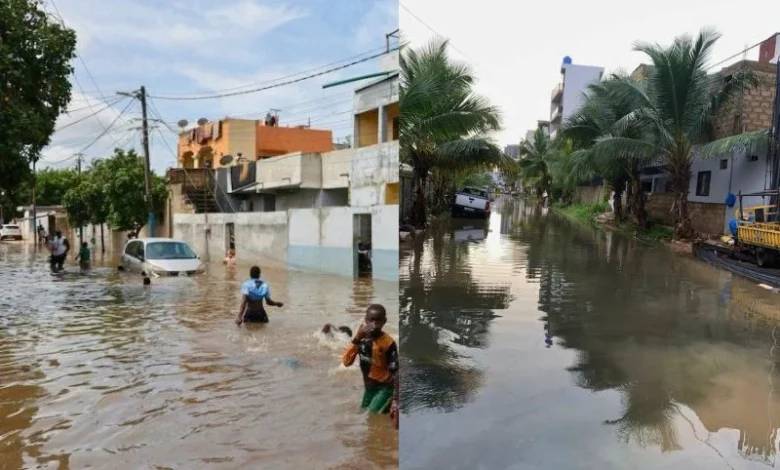
Dakar is underwater again. After days of rain that just kept coming, whole streets have disappeared beneath floodwater, and families are left picking through what’s left of their homes. The government has now confirmed that the Senegal floods have cost several people their lives, and officials say the damage is still being counted.
What Is Happening in Senegal Right Now
It rained for days without letting up. Drainage systems in Dakar and the towns around it simply couldn’t keep up, and water started sitting in places that usually stay dry. The poorer, low-lying neighbourhoods took the worst hit, some homes flooded nearly to the waist. A number of roads out of the capital are blocked too, which hasn’t made things easier for rescue teams trying to reach people after the government reported several deaths tied to the flooding.
None of this is really new. Heavy rains in Senegal are almost expected every year between July and October. But people on the ground say this round came on faster and heavier than usual, so there wasn’t much time to grab belongings or get somewhere safer.
Why the Floods Are So Damaging
A few long-standing issues keep turning rain into a disaster here:
- Many homes, especially in lower-income areas, are built from mud or materials that just can’t hold up once the flooding drags on for days.
- Dakar’s growth has outpaced its drainage system, so heavy downpours have nowhere to go.
- Warnings are slow to reach people, so a lot of families only realise there’s a problem once water is already inside the house.
- Mobile phones, not bank apps, are how most people hear about danger, since formal banking and insurance just aren’t within reach for a lot of flood-hit households.
Government and Community Response
Local authorities have activated emergency teams, and volunteers, Red Cross workers included, are out helping families evacuate and grab what they can before it’s too late. Officials have described this year’s rain as unusually severe, calling the current Senegal floods one of the worst spells of the season so far.
If you’re in an area that’s flooding, don’t sit around waiting for help to show up. A few things actually make a difference:
- Get to higher ground as soon as water starts creeping toward your home.
- Keep your phone charged and save local emergency and radio numbers before you need them, not after.
- Stay out of moving water, even shallow-looking water can knock you off your feet.
- Keep ID, documents, and medicine in a waterproof bag you can grab in seconds.
- Check on older neighbours who might not be able to move fast on their own.
Looking Ahead
This isn’t really just about the weather. It’s a sign that a lot of fast-growing cities in Africa have simply outgrown their own infrastructure. Until drainage and warning systems catch up, people will keep leaning on quick thinking and looking out for each other whenever heavy rains in Senegal come back around, and they always do.
Conclusion
What’s unfolding in Senegal right now is a reminder of how fast heavy rain can turn deadly when infrastructure can’t keep pace. If you’re living somewhere prone to flooding, staying alert, keeping emergency contacts ready, and moving quickly once water starts rising might be what actually keeps you and your family safe.
Stay informed on nature’s biggest global events.
How Active Is Russia’s Volcano?
Find out what triggered this rare volcanic eruption after the powerful earthquake.
Could Japan Face Another Disaster?
Dive into Japan’s ongoing efforts to tackle earthquakes and volcanic threats.
Is Vanuatu Safe To Visit?
Check out the latest travel guidance after the recent major earthquake.
Why Is The Ozone Recovering?
Uncover what the smaller Antarctic ozone hole means for the environment.
How Vital Is Ayeyarwady River?
Look into why protecting Myanmar’s lifeline is crucial for communities and nature.