Bangkok Floods Push Thailand’s Capital to Breaking Point as Streets Turn Into Stagnant Lakes
Bangkok floods turn streets into stagnant lakes, pushing Thailand's capital to breaking point. See key impacts, risks, and latest updates. Read more today.

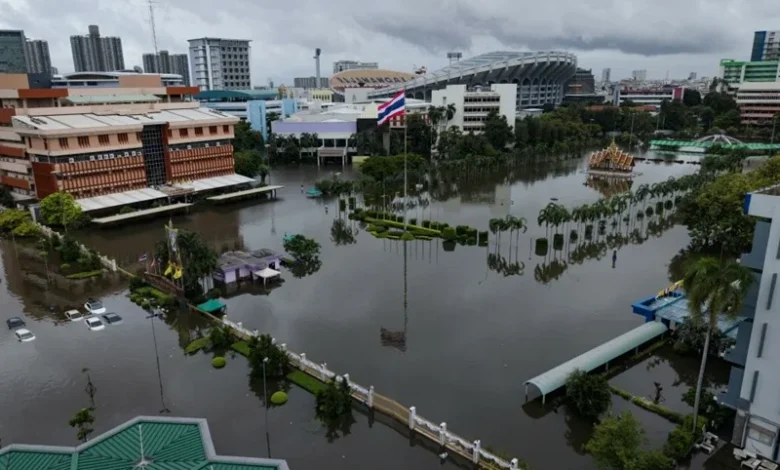
Bangkok is going through one of its roughest patches in years. Days of non-stop rain have overwhelmed the city’s canals and pumps, leaving whole neighbourhoods sitting under water that simply won’t drain away. What should clear in a few hours has lingered for days instead, and the ongoing Bangkok flooding has turned busy roads into stagnant, murky lakes that trap commuters and flood family homes.
Why Bangkok Keeps Flooding
Bangkok sits on a flat river delta where the Chao Phraya River meets the sea, with much of the city barely a metre above sea level. Years of building over natural wetlands have removed the open ground water once used to soak into. Pair that with heavier monsoon downpours tied to a shifting climate, and you get a drainage network designed for gentler rain now struggling against sudden, violent storms.
Inside the Current Crisis
The latest storms dropped over 300mm of rain in less than two days, more than parts of the city’s drains can clear in a week. City officials went as far as declaring a flood disaster across all 50 districts of the capital, something that doesn’t happen lightly. Eastern and northern Bangkok took the worst hit, with floodwater in some spots rising above knee height.
Officials and residents have flagged a few recurring problems behind the chaos:
- Canals choked with plastic bags and street rubbish
- Pumping stations pushed to their limit, some reportedly offline
- High tides pressing against outflow points right when the city needs to drain
- Slow, steady land subsidence that keeps lowering parts of Bangkok
The Human Cost of Standing Water
For people actually living through it, this isn’t just a weather story. Shopkeepers have pulled down shutters for days at a stretch. Motorbike taxi riders, who many Bangkok residents rely on daily, have turned down fares through the deeper flooded lanes. Standing water also brings health worries, from mosquito breeding to dirty floodwater seeping into ground-floor homes that were never built with flooding in mind.
What City Authorities Are Doing
The Bangkok Metropolitan Administration has been pushing residents to report flooding and blocked drains through its Traffy Fondue app, a tool that matters in a city where most people manage daily life from their phones. Crews have also been sent out to clear canal blockages and keep emergency pumps running through the night.
Steps Residents Can Take Right Now
- Check official Bangkok Metropolitan Administration updates before heading out
- Stay off roads with deep or fast-moving water, even on a bike
- Flag blocked drains straight away through the Traffy Fondue app
- Lift valuables and electronics off the floor when heavy rain is forecast
- Look in on elderly neighbours in low-lying streets, who face the most risk
Conclusion
Bangkok’s flooding is turning from a rare disaster into something residents now half expect each monsoon season. Real improvement will need faster drainage upgrades, cleaner canals, and tighter coordination between city hall and the people living through it. Until that happens, staying alert and prepared is still the most sensible way for Bangkok residents to get through each storm.
Track the latest climate changes.
Is Your Seafood Becoming Riskier?
Find how El Niño affects ocean pollution.
Why Are Heatwaves Getting Worse?
Check out the link between monsoons and El Niño.
What Happens During Super El Niño?
See the major weather changes ahead.
Could Food Prices Rise Soon?
Uncover how climate affects grocery costs.
How Will Weather Patterns Change?
Get to know this summer’s biggest climate shifts.