
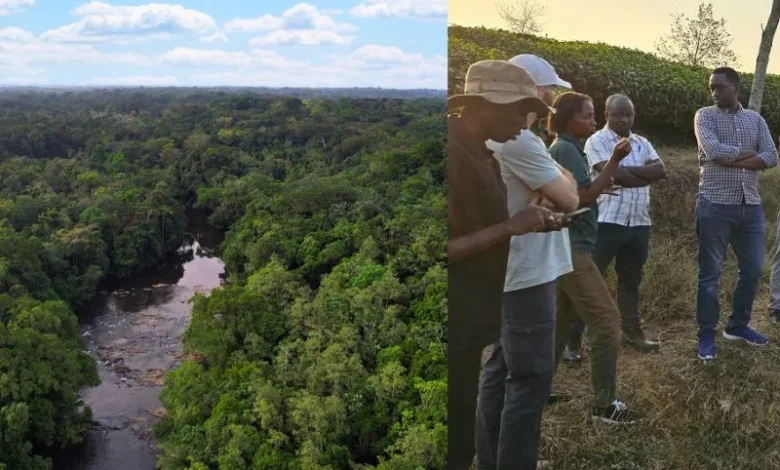
For the first time in the modern history of the Democratic Republic of Congo, a local organization has been handed the job of running a national protected area on its own. DRC protected area, That might sound like a small administrative change, but it isn’t. It marks a real break from decades of foreign-led conservation and points toward a future where the people who live closest to the forest actually get a say in how it’s protected.
A Historic Handover in South Kivu
The group taking on this responsibility is Strong Roots, founded by Dominique Bikaba. Under a new public-private partnership, Strong Roots will run the Itombwe Nature Reserve in South Kivu province for the next ten years. The government’s wildlife body, ICCN, still keeps oversight on paper, but the day-to-day work of protecting the land now belongs to a Congolese team, not an international one.
Bikaba said the decision came after officials watched how his group worked with communities in a nearby biodiversity corridor for close to ten years. That track record, he believes, is what earned the trust.
Why This Reserve Matters So Much – DRC protected area
Itombwe Nature Reserve has existed since 2006 and covers around 760,000 hectares of forest. Close to 600 bird species live there, and it’s also one of the last real strongholds of the critically endangered Grauer’s gorilla, also known as the eastern lowland gorilla. Lose this forest, and the world loses one of the few remaining places where this gorilla still survives in meaningful numbers.
Putting Local Communities First
A lot of DRC’s protected areas were set up by forcing Indigenous people off land they’d lived on for generations. That approach left behind bitterness and mistrust between rangers and villagers. Bikaba understands this personally. He comes from a community that was displaced to make way for another reserve, and that history clearly shapes how he wants Strong Roots to operate.
His plans include:
- Hiring people from local communities as forest patrol staff
- Moving away from armed, militarized enforcement
- Cracking down harder on illegal poaching and mining
- Building direct relationships with the seven chiefdoms around the reserve
Security remains a real concern too. The region has seen clashes involving M23, Wazalendo, and Mai-Mai armed groups, which makes local trust and cooperation even more important than usual.
What This Could Mean for Conservation Elsewhere
This handover could become a template other African countries look at closely. When local communities are treated as partners instead of obstacles, conservation tends to work better and last longer.
More stories on extreme weather.
Why Is Bangladesh Facing Flood Risks?
Find the latest climate insights.
What’s Driving India’s Weather Split?
Check out the extreme weather patterns.
Is Sonamarg Travel Safe Today?
Get to know the latest advisory.
How Severe Are China’s Floods?
Browse the latest emergency updates.
Why Is Northeast India Flooding?
Uncover the unusual jet stream effects.