Volcano’s Ash Cloud Quietly Wiped Out Methane, and Scientists Can’t Stop Talking About It

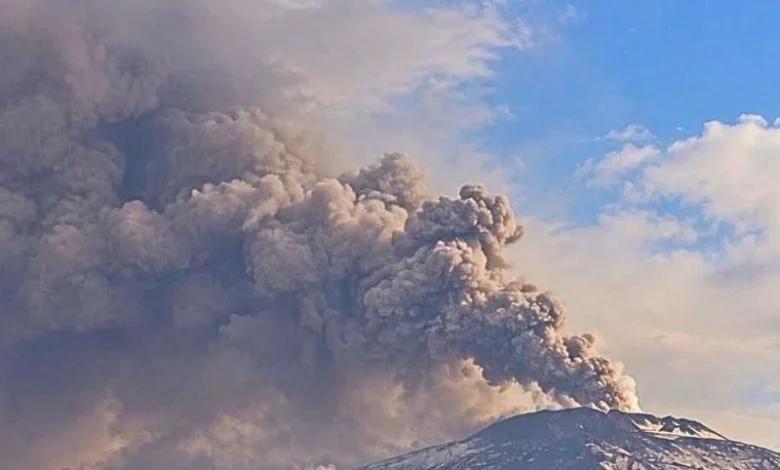
Something strange happened after the Hunga Tonga volcano erupted beneath the South Pacific in January 2022. volcanic methane removal, Along with ash and steam, the eruption sent up a volcanic cloud that, against all expectations, started breaking down methane, a gas that traps heat far more aggressively than carbon dioxide. Scientists studying this event say it may reshape how we think about cleaning up greenhouse gases.
A Strange Chemical Fingerprint in the Sky
Researchers combing through satellite readings spotted something odd inside the plume: unusually high formaldehyde levels. This chemical only shows up briefly while methane is being broken apart, and it fades within hours. Yet the signal stuck around for more than a week as the cloud drifted thousands of kilometres across the Pacific toward South America. That told scientists methane was being destroyed continuously, not in a single burst.
A Volcano That Polluted and Cleaned Up at the Same Time
The eruption released an enormous amount of methane, roughly matching what two million cows produce annually. Oddly enough, the same cloud also removed methane at almost the same daily pace. Nobody expected a volcano to act as both a polluter and a cleanup crew in one event.
Salt, Sunlight and an Accidental Reaction
The likely explanation involves a mix nobody had linked together before: seawater, volcanic ash and sunlight. Because the volcano erupted underwater, it hurled huge amounts of salty water high into the sky along with ash. When sunlight hit this mixture, it triggered the release of reactive chlorine, which then attacked and broke apart methane molecules. A similar reaction had been seen before with desert dust drifting over oceans, but never at this altitude or scale.
Why This Discovery Matters Globally
Methane already accounts for roughly a third of today’s global warming, despite leaving the atmosphere much faster than carbon dioxide. That short lifespan is exactly why cutting methane is often called a fast lever for slowing near-term warming. If researchers can safely recreate what this eruption did by accident, it could eventually become a real climate tool. Still, scientists are clear that this cannot replace reducing carbon dioxide from vehicles, industry and farming.
Conclusion – volcanic methane removal
This is not a ready-made climate fix, but it is a genuine surprise that scientists did not see coming. A volcano accidentally showed that large-scale methane breakdown is possible in nature, and that alone gives researchers a real starting point to explore safer, deliberate ways to slow global warming in the years ahead.
Stay informed on nature’s biggest global events.
How Active Is Russia’s Volcano?
Find out what triggered this rare volcanic eruption after the powerful earthquake.
Could Japan Face Another Disaster?
Dive into Japan’s ongoing efforts to tackle earthquakes and volcanic threats.
Is Vanuatu Safe To Visit?
Check out the latest travel guidance after the recent major earthquake.
Why Is The Ozone Recovering?
Uncover what the smaller Antarctic ozone hole means for the environment.
How Vital Is Ayeyarwady River?
Look into why protecting Myanmar’s lifeline is crucial for communities and nature.