Deadly Nor’easter Batters the East Coast: Violent Winds and Destructive Flooding Test Coastal Communities

The deadly nor’easter that rolled up the US East Coast on 26 and 27 September 2026 was not a storm people will forget quickly. deadly nor’easter flooding, At least one person died, more than 150,000 customers lost power, and seawater crept into streets from New Jersey to Long Island. Emergency declarations went out in New York and New Jersey. Here is what happened, why the storm hung around so long, and what you can do before destructive flooding reaches your own door.
What the Deadly Nor’easter Did to the Coast
The storm formed off the Carolinas and crawled north instead of racing out to sea. By Sunday morning its center pushed ashore just south of Toms River, New Jersey, and it slowly began to weaken. By then, the damage was already piling up.
Violent Winds and Fallen Trees
The violent winds peaked at 74 mph in Surf City, New Jersey. After days of rain, the ground was too soft to hold trees, so many simply toppled. In Brooklyn, a 56-year-old city housing worker was killed when a tree fell on him in a parking lot. Power cuts also slowed recovery, since crews cannot work safely on lines in wet, gusty conditions.
Destructive Flooding Along the Shore
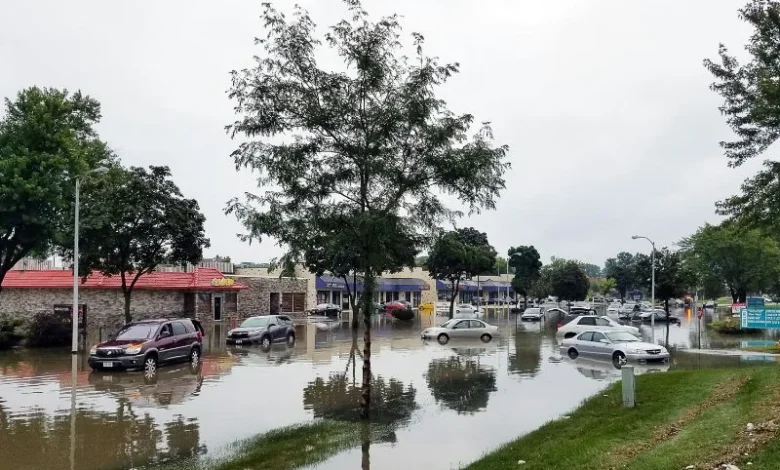
The water had nowhere to go. A storm surge, which is seawater pushed onto land by strong winds, filled bays and harbors until they spilled over bulkheads into driveways and roads. Parts of North Carolina’s Outer Banks were cut off. Some Massachusetts towns collected more than seven inches of rain. Airports struggled as well, with thousands of delayed flights and hundreds of cancellations at LaGuardia, Newark and Boston Logan.
Why This Nor’easter Lasted So Long
A nor’easter is a coastal storm named for the northeast winds that blow ahead of it. It grows when cold air from the north clashes with warm, damp air over the Atlantic. This one was squeezed between strong high pressure over Quebec and a low near the Carolinas, which sent a steady northeast jet of wind straight at the coast. Because the storm moved so slowly, it kept pushing water ashore through several high tides in a row. A full moon made those tides even higher than usual.
How to Stay Safe During Coastal Flooding
You cannot stop a storm, but a little preparation changes how it ends for you. Here is what to do:
- Move your car to higher ground before high tide.
- Charge phones and power banks, and keep a torch and spare batteries close.
- Store a few days of drinking water, food and any daily medicine.
- Never walk or drive through floodwater. It can hide debris and live wires.
- Stay away from rough surf, because rip currents stay dangerous after the rain stops.
- Check your flight status before you leave for the airport.
- Follow local emergency officials for evacuation alerts.
Conclusion
This deadly nor’easter showed how quickly violent winds and rising water can turn an ordinary weekend into an emergency. Coastal flooding continued into Monday’s high tides, long after the strongest gusts had passed. The lesson is simple. Prepare early, respect the water, and take official warnings seriously. Small steps today can protect your family and your home when the next storm comes.
Read more Climate Changes:
Which Hyderabad areas face worst heat?
Check the neighborhoods most vulnerable during extreme heatwaves in the city.
Which Indian cities face extreme heat?
Discover the regions across India at highest risk from rising temperatures.
Is major weather shift coming April?
Explore how upcoming weather changes could impact temperatures across India.
Which cities face climate risk 2026?
Check the urban areas under immediate environmental threat this year.
Why Chennai preparing early for heat?
Discover how Chennai is tackling rising temperatures and health risks early.