
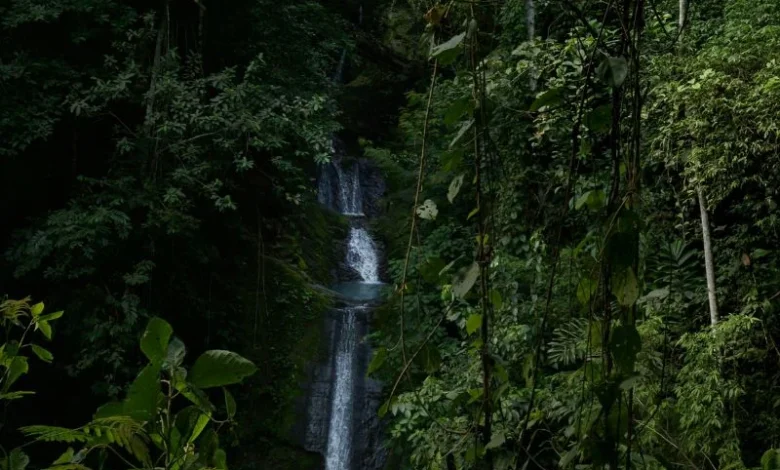
The Amazon rainforest may be hiding medicines for cancer, infections and illnesses we still cannot treat. A recent study by the London group Zero Carbon Analytics suggests undiscovered Amazon drugs could carry a commercial value of about $215 billion. The problem is timing. Trees are coming down faster than scientists can study what grows under them.
What the $215 Billion Figure Really Means
This number is an estimate of income that future medicines made from flowering plants might earn. It is about 30% of a worldwide tropical forest total of $714 billion, and the Amazon holds the largest slice.
Nature has long worked as a pharmacy. Roughly three in four cancer drugs approved between 1940 and 2014 came from natural products or were inspired by them. Even so, an estimated 99% of the chemicals plants produce have never been tested. The Amazon is also the source of other promising finds, such as a secret Amazon species that may offer a new source of ibogaine for addiction treatment.
How Deforestation Threatens Undiscovered Amazon Drugs
Plants that grow nowhere else
Some Amazon plants live in only one small area. Clear that patch and the plant disappears, along with any chemistry it held. Researchers estimate that forest clearing since 2001 has already put $86 billion of possible drug value at risk worldwide.
A forest still mostly unexplored
Experts say no more than 10% of Brazil’s biodiversity is known to science, and a new plant species is described in Brazil about every two days. Most research happens along rivers, so the huge areas between them stay unstudied. Money is part of the story too. Less than 3% of Brazil’s federal science funding reaches the Amazon, although the region produces about 10% of the national economy.
Who Should Share the Gains From Forest Medicines
Many discoveries began with Indigenous knowledge, since local peoples have watched these plants for thousands of years. Yet the rewards often end up far away. The blood pressure drug captopril was developed abroad from research on Brazilian viper venom, and a Brazilian official says neither the country nor the university earns anything from it. Local wisdom can also blend with modern science, as the story of Amazon jambu shows.
Rules now exist to improve things. The Nagoya Protocol, adopted in 2010, asks for consent and fair benefit sharing, and Brazil ratified it in 2021.
The new digital loophole
Companies increasingly use gene data from online databases instead of physical samples, which can hide where a discovery came from. The Cali Fund was created to close that gap. It asks firms to give 0.1% of revenue or 1% of profit, but payments are voluntary. By August it had received only $6,000 from two companies, far below the $1 billion a year expected.
Protecting the Amazon’s Drug Potential Starts With Standing Trees
Ending tropical deforestation by 2030 could preserve about $79 billion in commercial value by 2050, plus much larger health benefits for patients. Experts say attitudes must change, because many people still see standing forest as idle land. In truth, forest foods, oils, medicines and cosmetics already form a large but hidden economy.
Conclusion: Small Choices Protect Big Discoveries
The future of undiscovered Amazon drugs depends on choices made now by governments, companies and everyday buyers. Readers can help in simple ways:
- Choose brands that share where their ingredients come from.
- Support groups led by Indigenous and local communities.
- Share reliable news about rainforest loss and fair benefit sharing.
Read more Climate Changes:
Which Hyderabad areas face worst heat?
Check the neighborhoods most vulnerable during extreme heatwaves in the city.
Which Indian cities face extreme heat?
Discover the regions across India at highest risk from rising temperatures.
Is major weather shift coming April?
Explore how upcoming weather changes could impact temperatures across India.
Which cities face climate risk 2026?
Check the urban areas under immediate environmental threat this year.
Why Chennai preparing early for heat?
Discover how Chennai is tackling rising temperatures and health risks early.