

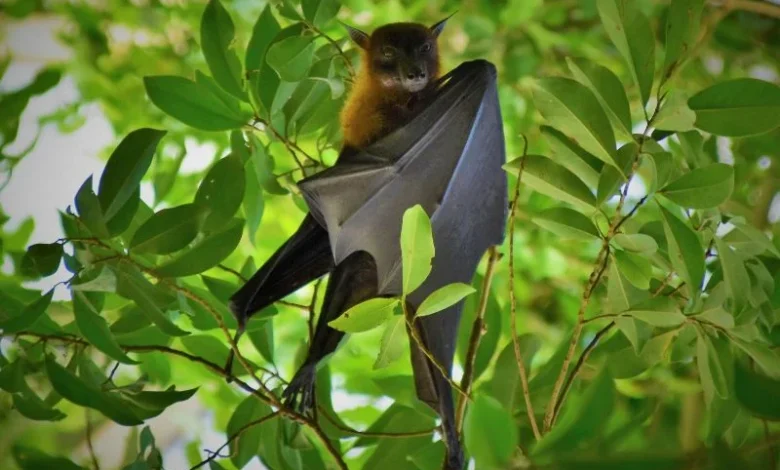
Ask most people where bats come from and you will get a shrug. Scientists have argued about it for decades, with different teams pointing to Asia, Africa or North America. European bat origin, A study published in Nature this September says bats originated in Europe roughly 65 million years ago, and only later spread around the world. That is a big change in how we understand the only mammals that truly fly.
Why the Origin of Bats Stayed a Mystery So Long
Bats are hard to find in the fossil record. Their bones are tiny and fragile, and they rarely survive for millions of years. One researcher has described how bats appear in the record “out of the blue” around 55 million years ago, already living in different parts of the globe. That left a huge gap. Without the early chapters, nobody could say where the story started.
How Scientists Showed Bats Originated in Europe
To fill the gap, 137 researchers from 64 countries joined forces as the Bat1K consortium. They studied the DNA of 103 bat species, covering all 21 living bat families, and compared it with 44 fossils. Living bats supplied the genetic clues, and the fossils supplied the ages and shapes. Put together, the pattern pointed to Europe.
From Europe to Everywhere
After appearing in Europe, bats seem to have moved into Africa first. From that base they reached Asia, the Americas and Australia. Wings made this easy. Oceans and mountains that stopped most animals were simply not a problem for a creature that could fly.
Flight and Echolocation Came Almost Together
The study also touches an old puzzle. Bats hunt at night using echolocation, which means they send out sounds and listen to the echoes to build a picture of their surroundings. Scientists long wondered whether flight or echolocation came first. The new analysis suggests the oldest branch of bats already included species that used it, so the two skills appeared close together. That makes sense, because flying in the dark without a way to sense obstacles would be dangerous.
Why This Matters Beyond Science Class
There are more than 1,500 bat species, and they make up over one fifth of all mammals. They pollinate plants, spread seeds and eat enormous numbers of insects, which quietly helps farmers and forests everywhere.
Researchers are also curious about how bats live long lives and cope with diseases without falling sick. The new family tree, built from full genomes, gives that work a stronger starting point, with possible relevance for human health.
You can help too. Leave old trees standing where it is safe, use fewer garden pesticides so bats keep their food supply, and switch off outdoor lights you do not need. If bats settle in your roof, call a local wildlife service instead of chasing them out.
Conclusion – European bat origin
The news that bats originated in Europe 65 million years ago shows how DNA and fossils together can solve a puzzle that stumped experts for generations. It also reminds us that these small night flyers have been shaping ecosystems for a very long time. Protecting the bats near you is a simple, practical way to respect that history.
Track the latest climate changes.
Is Your Seafood Becoming Riskier?
Find how El Niño affects ocean pollution.
Why Are Heatwaves Getting Worse?
Check out the link between monsoons and El Niño.
What Happens During Super El Niño?
See the major weather changes ahead.
Could Food Prices Rise Soon?
Uncover how climate affects grocery costs.
How Will Weather Patterns Change?
Get to know this summer’s biggest climate shifts.