
Why Your Solar Panels Stop Working Efficiently in 2026 Heat Waves (And 3 Ways to Cool Them Down)
Learn why solar panels lose efficiency during 2026 heat waves and discover 3 ways to cool panels, improve airflow, and boost solar power output.

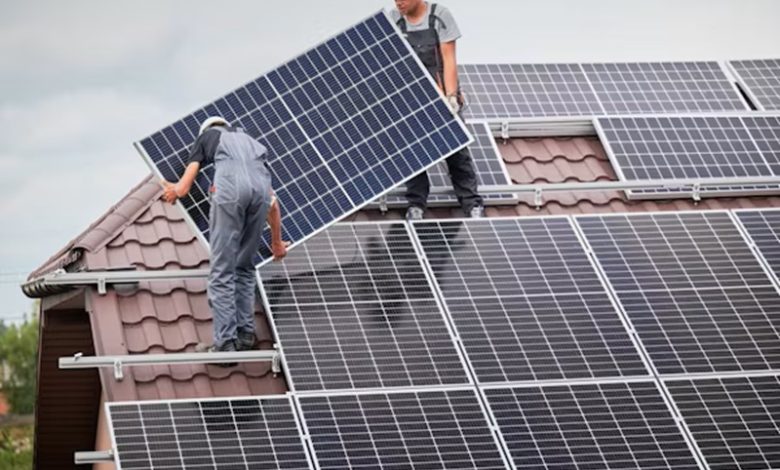
With heatwaves becoming more frequent and intense in 2026, many homeowners are noticing a surprising problem: their rooftop solar systems generate less electricity during the hottest days of the year.
It may seem counterintuitive, but solar panels operate on sunlight—not heat. In fact, excessive temperatures can reduce their efficiency and lower overall power production.
Why Solar Panels Lose Efficiency in Extreme Heat
Solar cells generate electricity when exposed to sunlight. However, as panel temperatures rise, their electrical performance begins to decline.
During heatwaves, solar panels can become significantly hotter than the surrounding air temperature, leading to:
- Lower voltage output
- Reduced energy conversion efficiency
- Increased electrical resistance
- Decreased overall power generation
This means your system may produce less electricity at 2 PM on a scorching day than it does on a cooler sunny morning.
Heat Isn’t the Only Problem
Extreme summer conditions often bring:
- Dust accumulation
- Air pollution
- Reduced airflow around panels
These factors can further reduce energy production and make panels run even hotter.
3 Ways to Help Keep Solar Panels Cooler
1. Improve Airflow Around the Panels
Solar panels naturally cool through air circulation beneath them.
Make sure:
- Debris is removed from underneath the array
- Ventilation pathways remain clear
- Rooftop obstructions don’t block airflow
Better airflow helps dissipate excess heat.
2. Keep Panels Clean
Dust and dirt create an insulating layer that traps heat and blocks sunlight.
For best results:
- Clean panels during early morning or evening
- Use soft water and non-abrasive materials
- Follow manufacturer maintenance guidelines
3. Monitor Inverter Temperatures
Sometimes the inverter—not the panels—is the source of reduced performance.
Ensure the inverter:
- Is installed in a shaded location
- Has adequate ventilation
- Remains free of dust buildup
Overheated inverters can automatically reduce output to protect internal components.
Explore More Trending News & Expert Guides
Which Budget Air Purifier Suits You?
Explore the best-rated affordable air purifiers, key features to compare, and top online buying options.
Can You Survive Stadium Heat Safely?
Discover essential hydration tips, sun protection measures, and safety rules for outdoor sports events.
When Will Delhi Heat Finally Ease?
Discover the latest rain forecast, temperature drop predictions, and when relief from Delhi-NCR’s scorching heat is expected.
Is Kashmir Travel Safe This Week?
Explore weather alerts, landslide-prone routes, travel risks, and emergency contacts before planning your trip.
Are Summer Temperatures Damaging Your EV?
Check the common heat-related charging mistakes that can affect EV battery life and solar panel performance.
Final Words
A drop in solar production during a heatwave is normal, but excessive heat, dust, and poor ventilation can make the problem worse. By maintaining clean panels, improving airflow, and protecting your inverter from overheating, you can help your solar system operate more efficiently throughout the hottest months of the year.
FAQs
Do solar panels work better in cooler weather?
Yes. Solar panels generally operate more efficiently at lower temperatures.
Why does solar output drop during heatwaves?
High temperatures increase electrical resistance and reduce panel efficiency.
Can dust affect solar performance?
Yes. Dust blocks sunlight and can reduce energy production.
Should I spray water on hot panels?
Avoid sudden cooling of extremely hot panels. Clean them during cooler times of the day.
Can inverter overheating reduce solar generation?
Yes. Many inverters automatically reduce output when temperatures become too high.