
10 Mistakes People Make During Heatwaves That Increase the Risk of Heatstroke
Avoid these 10 common heatwave mistakes that increase heatstroke risk. Learn hydration tips, warning signs, and safety measures to stay protected in extreme heat.

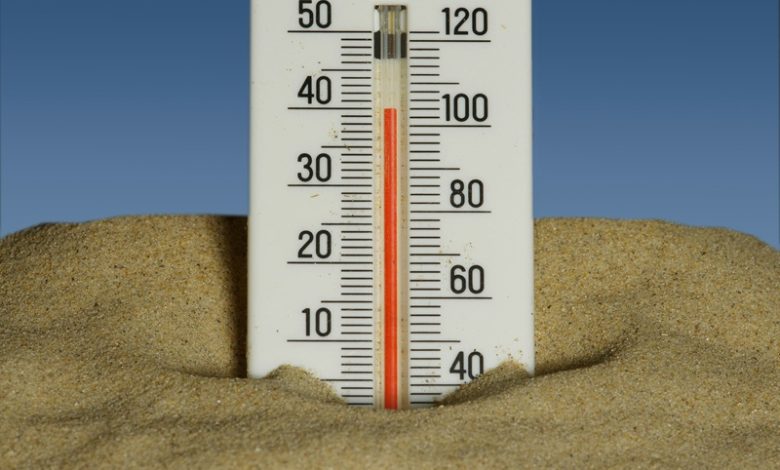
As temperatures soar during summer heatwaves, many people unknowingly engage in habits that increase their risk of heat exhaustion and heatstroke. Heatstroke is a serious medical emergency that can occur when the body can no longer regulate its temperature effectively.
Here are 10 common mistakes that can put your health at risk during extreme heat.
1. Waiting Until You’re Thirsty to Drink Water
Thirst is often a late sign of dehydration. During a heatwave, it’s important to drink water regularly throughout the day rather than waiting until you feel thirsty.
2. Spending Too Much Time Outdoors During Peak Heat
The hottest part of the day is usually between 11 AM and 4 PM. Prolonged exposure during these hours significantly increases the risk of heat-related illness.
3. Wearing Dark or Tight Clothing
Dark colours absorb more heat, while tight clothing can reduce airflow and make it harder for the body to cool itself.
4. Ignoring Early Warning Signs
Symptoms such as dizziness, headache, fatigue, muscle cramps, and nausea should never be ignored during hot weather.
5. Drinking Excessive Alcohol
Alcohol can contribute to dehydration and impair the body’s ability to regulate temperature.
6. Skipping Electrolytes
Heavy sweating causes the loss of minerals such as sodium and potassium. Water alone may not always replace everything the body loses.
7. Leaving Children or Pets in Vehicles
Temperatures inside parked vehicles can rise rapidly, even when outside temperatures seem manageable.
8. Overexerting During Outdoor Exercise
Intense physical activity in extreme heat places additional strain on the body’s cooling system.
9. Keeping Homes Poorly Ventilated
Closing a home completely without proper ventilation can trap heat indoors and worsen discomfort.
10. Assuming Heatstroke Can’t Happen Indoors
Heatstroke can occur indoors, especially during prolonged power outages or in poorly ventilated buildings.
Final Words
Heatwaves can affect anyone, but simple precautions can significantly reduce the risk of heatstroke. Staying hydrated, avoiding peak heat exposure, recognising warning signs, and maintaining a cool environment are among the most effective ways to stay safe during periods of extreme temperature.
Explore More Trending News & Expert Guides
Which Budget Air Purifier Suits You?
Explore the best-rated affordable air purifiers, key features to compare, and top online buying options.
Can You Survive Stadium Heat Safely?
Discover essential hydration tips, sun protection measures, and safety rules for outdoor sports events.
When Will Delhi Heat Finally Ease?
Discover the latest rain forecast, temperature drop predictions, and when relief from Delhi-NCR’s scorching heat is expected.
Is Kashmir Travel Safe This Week?
Explore weather alerts, landslide-prone routes, travel risks, and emergency contacts before planning your trip.
Are Summer Temperatures Damaging Your EV?
Check the common heat-related charging mistakes that can affect EV battery life and solar panel performance.
FAQs
What is the first sign of heatstroke?
Common warning signs include dizziness, headache, confusion, and excessive fatigue.
Can heatstroke occur indoors?
Yes. Poor ventilation and high indoor temperatures can increase risk.
Is thirst a reliable indicator of hydration?
Not always. Mild dehydration can begin before you feel thirsty.
Who is most vulnerable during heatwaves?
Children, elderly individuals, outdoor workers, and people with medical conditions are at higher risk.
What should I do if someone shows signs of heatstroke?
Move them to a cooler location, provide cooling measures, and seek immediate medical attention.