
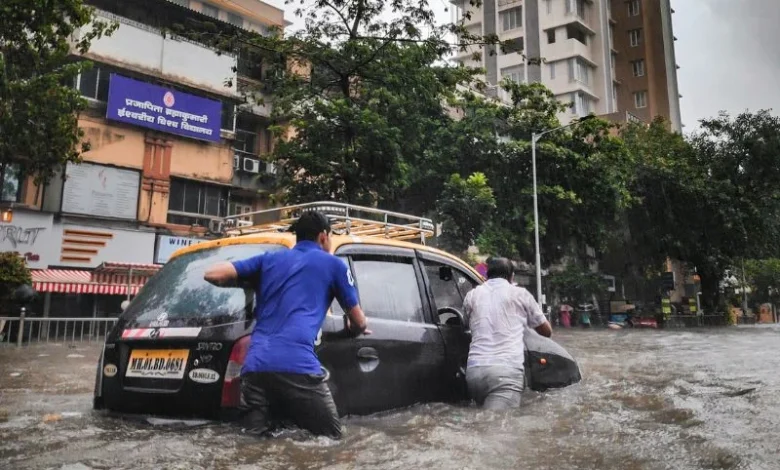
The flooding pattern of Mumbai is determined by Low Elevation, Tide Levels that are High, and Intense Rainfall Patterns. When heavy rainfall coincides with high tides (typically around the new/full moon), Stormwater has nowhere to drain (it usually drains to the sea) and thus creates an immediate and rapid backflow of Stormwater that causes flooding of our streets. mumbai monsoon flooding neighborhoods, In addition to limited drainage ability, dense construction, and destroyed natural buffers (such as Mangroves), due to these factors, a matter of new hours of rainfall is usually enough to overwhelm the system.
As a result, certain neighbourhoods typically flood sooner and faster than others throughout the Monsoon period.
Neighbourhoods That Flood First
Certain neighbourhoods are known to flood during the very first spell of rain:
Sion – A low elevation point that has seen flooding in hours
Kurla – Poor Drainage combined with high population density causes flooding
Andheri Subway – First location in the area to become fully flooded
Dadar TT Circle Area – First location to become flooded due to the number of vehicles causing issues & limited drainage capabilities.
Hindmata – Recognized as one of the worst repeat flooding locations.
As a result, traffic breakdown, transportation disruptions, and water accumulation are typically reported in these neighbourhoods very quickly at the start of any Rain Event.
Moderately Affected vs Relatively Safer Zones
Areas that are moderate risk to flood (ex. Chembur, Bandra, and Ghatkopar) will flood over time due to extended rainfall versus flooding immediately after heavy rain.
While areas in Navi Mumbai and others that have been planned and built at a higher elevation are the safest; even these areas will see flooding because of extreme rain events.
Environment Insights You Should Read
Why Indoor Air Quality Important?
Explore how plants improve air.
Why Tropical Plants Bloom Changing?
Discover impact on farming cycles.
How Warming Reshapes Coastal Living?
Check risks for island communities.
What Determines Which Area Floods First
Flooding can happen at different times and intensities depending on:
* Slope and height of land; or how far above sea level you are
* Distance from drains, rivers, or the ocean
* Size and capacity of drainage systems
* Whether natural drainage systems have been obstructed
* Amount of rain coming down during rainfall events and time of day (i.e. tides being high or low)
A road will flood or drain quickly based on a few feet of elevation difference.
Final Words
The pattern of flooding in Mumbai is not random; rather, it occurs in a known geographic area. Knowing about these areas can help both the average citizen and city planner prepare for flooding events. Long-term solutions should include upgrades to the current drainage systems and protecting natural buffers, along with better consideration for urban growth.
FAQs
1. Which area floods the fastest in Mumbai?
Hindmata and Sion are among the quickest to flood during heavy rain.
2. Why does the Andheri Subway flood so often?
It is a low-lying underpass with limited drainage capacity.
3. Does Navi Mumbai flood less?
Yes, generally due to better planning and elevation, but extreme rain can still cause issues.
4. Can flooding be predicted by area?
Yes, based on elevation, drainage, and historical patterns.