Flood-Prone Areas in Miami: Neighborhood Guide
Discover flood-prone areas in Miami, high-risk neighborhoods, and safer zones. Learn how elevation, drainage, and climate impact flooding risks.

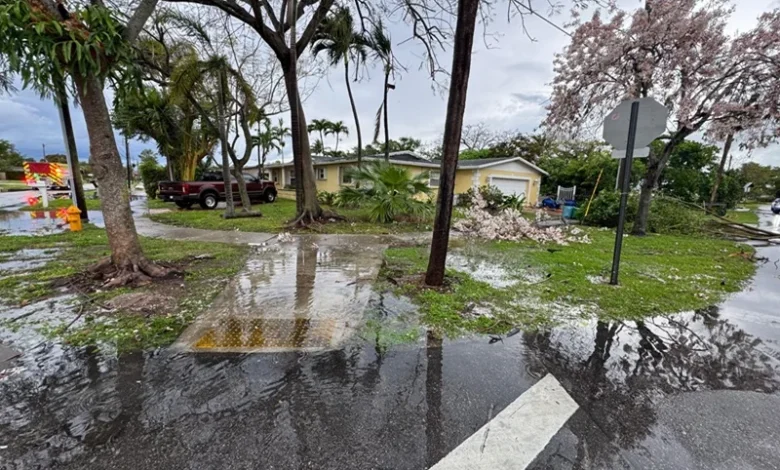
Low elevation, proximity to the coastline, and porous limestone substrata contribute to Miami being one of the US’s most water-vulnerable cities. Tides and rising water levels can flood streets, sidewalks, etc., without rain.
There are three types of flooding in Miami:
- High tides cause tidal flooding.
- Hurricanes can cause storm surge flooding.
- Heavy rainfall causes flooding due to inadequate drainage.
As a result, flood risk varies widely from one neighbourhood to the next.
High Flood-Risk Neighbourhoods
Some areas of Miami are more vulnerable than others because of how close they are to the water and their low elevations.
These neighbourhoods include:
- Miami Beach has been greatly impacted by tidal flooding, with several roads frequently flooded during king tides;
- Brickell is a highly densely populated urban area and has drainage issues, resulting in the flooding of city streets after heavy rains;
- Little Havana is located inland but is still susceptible to flooding because there is little to no drainage and heavy rainfall; and
- Edgewater is susceptible to flooding due to its location on the waterfront and being impacted by storm surge and rising water levels.
Usually, areas that tend to flood need to be modified for elevated infrastructure, pumps, etc. to protect them from flooding.
Moderate to Lower Risk Areas
There are areas of Miami that fall into the moderate or lower risk categories due to their geography or planning. For instance, in the following list, each of these developments has features that will help them not to be flooded:
Coral Gables
They have good drainage systems and are on elevated ground, so flooding occurs less often.
Kendall
In addition to being farther from the water, the risk of tidal flooding is less because they are further away from the coast.
Doral
The planned growth and elevation of this area make it less likely to flood than other locations.
However, lower risk still means there is a chance of it occurring — very severe weather can cause flooding in all of these neighbourhoods.
What Determines Flood Risk in Miami?
Numerous natural and urban factors will help determine a location’s flood risk.
These factors include:
- Elevation (elevation can make a significant difference in risk);
- How far the site is from the coast or waterway;
- Quality of the drainage system; and
- The density of building and paved surfaces;
- Climate change and rising sea levels.
It is important to understand these variables when purchasing a home, investing in the real estate market, or living in an area.
Don’t Miss These Must-Read Miami Insights
1. How Will Rising Seas Transform Miami?
Explore how climate change is reshaping Miami’s future city planning and lifestyle.
2. Are You Ignoring Miami Flood Risks?
Check the common mistakes buyers make when overlooking flood-prone properties.
3. Which Miami Areas Face Flood Risks?
Discover the neighborhoods most vulnerable to flooding risks in 2026.
4. Is Miami Water Turning Dangerously Salty?
Explore how saltwater intrusion is impacting freshwater and daily life.
5. How Harmful Are Cruise Ships To Miami?
Check the environmental impact of cruise activity at busy PortMiami.
Final Words
Flooding in Miami is now an issue; it is not something to worry about in the future. When individuals are looking for properties to buy or rent, lifestyle issues are no longer the primary factor; elevation, infrastructure, and long-term climate resilience should all be considered.
FAQs
1. Which area in Miami floods the most?
Miami Beach is among the most flood-prone due to its low elevation and exposure to tides.
2. Is flooding an issue in landlocked areas?
There is a decrease in flood-related issues compared to coastal areas; however, flooding can still occur.
3. Are floods only going to happen in the coastal regions of Miami?
Flooding can occur both within and outside of the coast due to rising sea levels; however, storms will be stronger too.
4. Should I not purchase homes located within flood zones?
No, you can; however, look at above sea level, home insurance, and mitigation options before making a purchase.