Waste Management Performance by Area in Hyderabad
Explore Hyderabad’s waste management performance by area, including IT corridors, Old City, and industrial zones, with key challenges and insights.

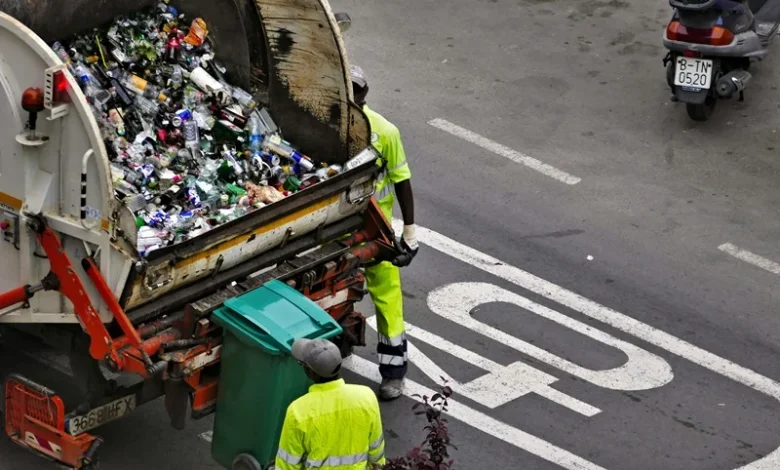
Hyderabad is one of the largest waste generators in India, as the city’s daily municipal solid waste generation rate of around 8,000–9,000 tonnes puts it among the top cities in India.
The Greater Hyderabad Municipal Corporation is responsible for the overall management and coordination of the collection, transport and processing of waste generated within the city and maintains the city’s hundreds of wards and works closely with the local ward officers. However, various factors have contributed to performance differences throughout the city, including population density, infrastructure and urban planning conditions. While some areas demonstrate high levels of efficiency in the collection and processing of MSW, others fail to provide adequate facilities for dumping, segregation and disposal of MSW.
Area-Wise Waste Management Performance
West & IT Corridor (Gachibowli, Madhapur, Kondapur)
The IT Corridor (Gachibowli, Madhapur, Kondapur) demonstrates much higher levels of performance overall than other regions.
The area’s planned layouts and gated communities provide for easier access to homes for door-to-door collection and more efficient waste segregation. Corporate zones in the area encourage more organized and managed waste handling. Overall, this region has higher levels of waste management efficiency and a cleaner environment than others.
Central Hyderabad (Ameerpet, Himayatnagar, Abids)
Central Hyderabad (Ameerpet, Himayatnagar, Abids) faces a number of performance challenges; the high population density causes increased waste generation per person, limited space for the placement of bins and waste processing facilities, and traffic congestion increases delays in the pickup of waste.
Old City (Charminar, Yakutpura, Malakpet)
Old City (Charminar, Yakutpura, Malakpet) has poorer waste management efficiency due to:
- Narrow lanes that restrict the ability of vehicles to access homes for collection
- High density and informal settlements
- Low levels of awareness regarding the need for segregation
North & Industrial Areas (Jeedimetla, Balanagar, Uppal)
North/Hyd Industrial Areas (Jeedimetla, Balanagar, Uppal) are presented with additional mixed waste management challenges because of the presence of commercial and industrial businesses.
Key Factors Driving Area Differences
The differences in how well an area in the city has performed regarding managing waste are as follows:
- Population density/urban design
- Availability of infrastructure (e.g., bins, transfer stations)
- Awareness within the community of separation.
- Industrial versus residential composition of the waste (mixture).
- Efficiency of administration in the various wards of the city.
Although there are currently over 50+ transfer stations and large-scale processing facilities throughout the city, huge amounts of waste have still not been processed efficiently by these facilities. So as a result, we see accumulation of waste in some areas.
Stay Ahead: Must-Read Insights for You
1. What Cooling Products Are Trending Now?
Discover the latest cooling products Hyderabad buyers are rushing to explore this summer.
2. Is Your Home Ready For Summer?
Check this simple checklist to prepare and explore ways to beat Hyderabad’s heat.
3. Which Hyderabad Areas Face Extreme Heat?
Explore the most heat-affected zones and discover how to stay safe during heatwaves.
4. Is Hyderabad Facing A Water Crisis?
Discover how rapid urban growth is impacting water balance and explore solutions.
5. How To Start Waste Segregation Easily?
Check this simple guide to explore effective waste segregation practices at home.
Final Words
The story of waste management within the city of Hyderabad is characterised by inconsistency; areas with more planned developments tend to have more efficient waste management systems while those located in higher density and older developments are generally much more heavily stressed and less efficient now than they had been.
FAQs
1. Which areas in Hyderabad have the best waste management?
Western IT corridors like Gachibowli and Madhapur generally perform better due to planning and awareness.
2. Why does the Old City face more waste issues?
Because of high density, narrow roads, and limited infrastructure for collection and segregation.
3. How much waste does Hyderabad generate daily?
Around 8,000–9,000 tonnes per day.
4. Is Hyderabad improving its waste management system?
Yes, through waste-to-energy plants, sanitation drives, and improved collection systems, though challenges remain.