
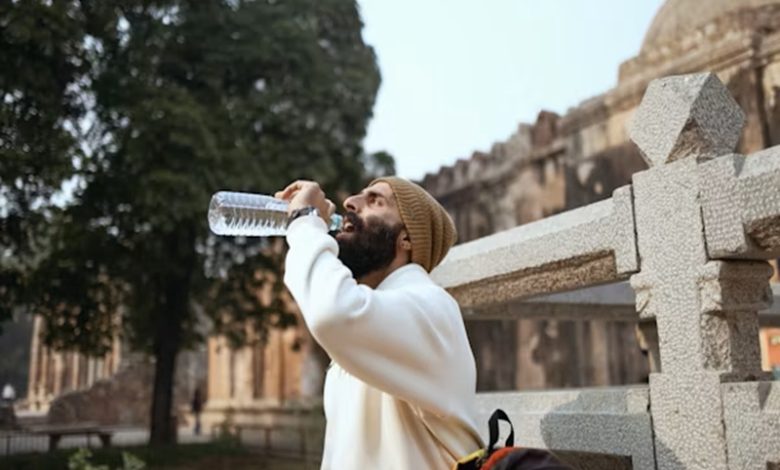
The quality of drinking water in Delhi varies greatly between locations, sources and infrastructure. Generally, the treated water that is supplied from rivers such as the Yamuna and Ganga has good quality immediately following treatment. However, there is often significant contamination that occurs during distribution of this water due to broken or leaky old pipes, contamination from sewage lines and other sources before the contaminant loaded water reaches consumers.
Some areas with planned developments, such as Dwarka and Rohini, have more recently established and organised piped water supply systems, producing less contaminated baseline water quality; however, all areas should filter piped water to avoid contamination from environmental sources (i.e., pipe storage) and as a result of the distribution system.
Safe Areas vs Risk Zones
Generally, the drinking water quality in and around New Delhi has a relatively higher reliability as a result of superior infrastructure and maintenance. In addition, these safe supply areas receive a majority of their drinking water via a municipal supply (lower reliance on use of groundwater).
The opposite is true for drinking water in areas such as East Delhi, Najafgarh (often referred to as Najafgarh) and Sangam Vihar, where the water quality has a higher risk due to problems with broken piping systems, reliance on groundwater, and the lack of proper infrastructure. The water in these areas is often contaminated with high levels of total dissolved solids (TDS), microorganisms and, in some cases, mixed with raw sewage, rendering it unsafe to drink without first being treated.
What Affects Water Safety in Delhi?
The quality of water in the city of Delhi is affected by a range of important factors. These include pipeline infrastructure; sewer proximity; reliance on groundwater; as well as home storage practices; and seasonal variation (mainly as a result of monsoon rainfall). With the seasonal variations especially related to the arrival of monsoons, the potential risk for contamination can be particularly high. Regardless of how “safe” an area is, improper storage methods at home and/or lack of proper filtration of stored water could cause it to be unsafe for drinking purposes.
Stay Informed: More Stories You Shouldn’t Miss
1. How Delhi compares with Beijing pollution?
Explore how both mega cities tackle air pollution challenges.
2. Why heat affects decisions in Delhi?
Discover how rising temperatures impact daily thinking and choices.
3. Which curtains best cool Delhi homes?
Check the top curtain options to reduce indoor heat effectively.
4. How Delhi spends on environment improvements?
Explore the city’s strategies for pollution control and clean infrastructure.
5. Is Delhi facing early climate shift signs?
Discover what record March heat reveals about future climate trends.
Final Words
There are many factors that influence the overall quality of water in Delhi, including where people live, and how they manage their access to safe, potable water after supply. For some people living within Delhi, their water supply may be “relatively” safe; however, there are still many potential risks to consider throughout the city. The best possible solution for consumers looking for safe drinking water on a regular basis is through awareness and good filtration methods.
FAQs
1. Is tap water in Delhi safe to drink?
Not reliably. It is best to use a water purifier before drinking.
2. Which areas have better water quality?
Dwarka, Rohini, and central New Delhi usually have better supply conditions.
3. Why do some areas have poor water quality?
Due to old pipelines, groundwater usage, and contamination during distribution.
4. How can I ensure safe drinking water at home?
Use a good-quality water purifier and regularly clean storage tanks.