Flooded Streets Again: What’s Failing in Guwahati?
Why does Guwahati flood even after light rain? Explore causes like poor drainage, urbanisation, and wetland loss behind recurring floods.

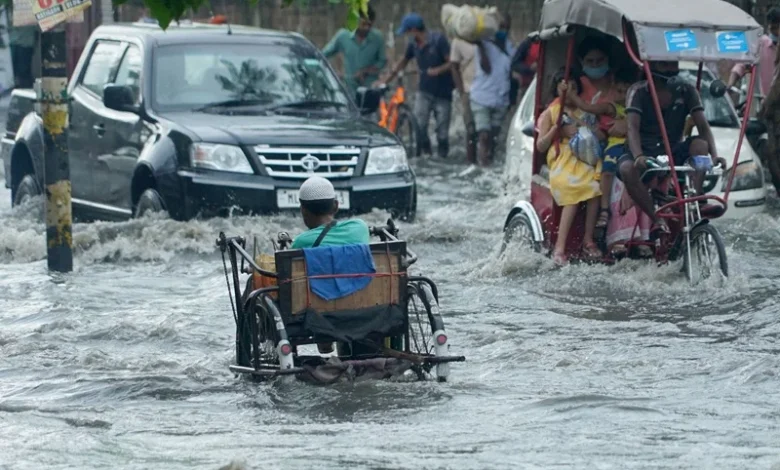
The flooding issue in Guwahati is not a new problem; it is a function of how the city has been designed. Naturally located between the Brahmaputra river and surrounding hills, Guwahati has historically had suitable natural drainage systems to manage the amount of excess rainwater received by the city. However, today, even a modest amount of rain can cause flooding in major areas of the city because the drainage systems have been completely overwhelmed. At times, as little as 7 – 11 mm of rainfall has caused widespread waterlogging in Guwahati, indicating that the drainage systems have become quite fragile.
Flooded roads, stranded commuters, and disruption are commonplace every monsoon season in Guwahati.
What’s Actually Failing?
A combination of factors has contributed to the flooding problem in Guwahati, and it is not simply due to rain. Areas of concern include:
1. Outdated/Clogged Drainage Systems
The drainage systems in Guwahati are outdated and clogged. They do not function adequately within the city’s street system, even during moderate rain. This leads to immediate waterlogging in key locations within Guwahati, including Hatigaon, Beltola, and Anil Nagar, after roughly 14 – 40 mm of rainfall.
2. Rapid Urbanisation
Guwahati has undergone rapid urban development without the infrastructure upgrades necessary to accommodate such rapid urban growth. Therefore, urban development has increased from over 170% (80% before 1998) and continues to increase. As a result, Guwahati’s drainage system has become compromised.
3. Wetland Loss
Wetlands have been encroached upon and significantly reduced, which has eliminated the city’s natural flood defence, worsening flooding in Guwahati today.
4. Hill runoff from Meghalaya
During heavy rain periods, the runoff from the nearby hills in Meghalaya adds to the overall volume of water that affects Guwahati.
Environment Insights You Should Read
Why Indoor Air Quality Important?
Explore how plants improve air.
Why Tropical Plants Bloom Changing?
Discover impact on farming cycles.
How Warming Reshapes Coastal Living?
Check risks for island communities.
A Pattern of “Artificial Flooding”
The Experts refer to the flooding in Guwahati as ‘Man-made flooding’, as causes of flooding are not attributed solely to rain, but also include a variety of human activities, such as:
- Building roads over existing natural drainage systems
- Allowing construction in previously low-lying areas
- Blocking drains and ditches with garbage and rubbish from poor waste management practices
Flooding recurs each year after multiple unsuccessful desilting and draining projects, showing the significant need for long-term solutions.
Final Words
The flooding experienced during monsoon months is a clear example of the city’s failure Urban Development. Guwahati isn’t flooding from rainfall; it’s flooding because too much of its natural ecology has been compromised and because its infrastructure has not kept pace with development. If planning, the environment/ecology and infrastructure are to align, every heavy rainfall event will continue to create a “state of emergency” until a resolution is reached.
FAQs
1. Why is it that Guwahati can flood even from light rainfall?
The drainage system is poor and often blocked because of its dirtiness; therefore, even from light rain the drainage systems become overwhelmed.
2. What are the areas of Guwahati most prone to flooding?
Hatigaon, beltola, Anil Nagar, Chandmari and Zoo Road are some of the most flood-prone areas.
3. Are the floods that occur in Guwahati from natural causes or man-made?
Both are contributing factors but primarily man-made as a result of urbanization and loss of natural wetlands.
4. Is it possible to solve the flooding problems?
Yes, but it is going to take time.