
Air Quality Index in Delhi Today: Trends, Causes & Health Impact
Check Delhi AQI today, seasonal pollution trends, causes like traffic and stubble burning, and health impacts. Stay informed about air quality levels.

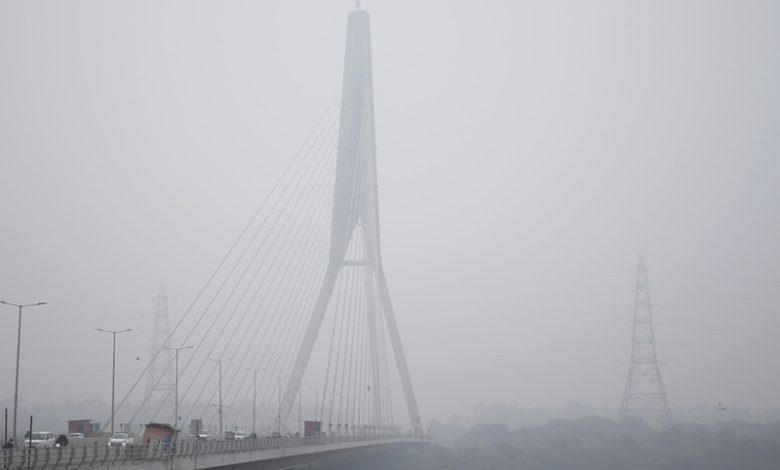
Currently, the Air Quality Index of Delhi is still in the ‘Poor’ to ‘Unhealthy’ zone (beyond ‘Good’), meaning overall air quality is unsuitable for breathing, particularly for susceptible populations. In addition, current weather conditions are not as extreme as they have previously been (near winter peak levels); nonetheless, they are still not considered within a safe range. It is also important to keep in mind that the levels of pollution can differ amongst different areas within the city, depending on many factors, including the number of vehicles on streets, construction activities and/or local weather conditions, resulting in variable levels of exposure throughout the day.
Trends: A Pattern of Seasonal Pollution
The general trend of air quality in Delhi throughout the seasons can be divided into three phases: (1) winter which has the highest levels due to low wind speeds combined with large-scale crop burning; (2) summer which has slightly better than average conditions due to higher wind speeds and increased ventilation; and (3) the month of September which tends to be one of the best months for air quality due to seasonal changes (e.g., rain) as well as high humidity.
Causes Behind the Pollution
One of the major reasons that contribute to Delhi’s air quality problems are a large number of pollutants produced by motor vehicle emissions from the high-volume (heavy traffic) areas of the city. Other pollutants come from construction and road dust that are significant contributors to particulate matter (PM); PM from nearby industrial activity; and PM from seasonal crop burning as they produce significant amounts of PM. Weather also plays an important role in the level of air quality throughout the city;
Health Impact on Daily Life
Poor air quality has an immediate impact on our health and can cause symptoms such as eye and throat irritation, and difficulty breathing after even a short time of exposure.
Continued exposure to poor air quality can lead to more serious long-term health problems, including respiratory disease and cardiovascular disease due to decreased immunity.
Children, the elderly, and those with existing health conditions have an increased risk of adverse health effects from exposure to poor air quality than other populations.
Stay Ahead: Must-Read Insights for You
What Cooling Products Are Trending Now?
Discover the latest cooling products Hyderabad buyers are rushing to explore this summer.
Is Your Home Ready For Summer?
Check this simple checklist to prepare and explore ways to beat Hyderabad’s heat.
Which Hyderabad Areas Face Extreme Heat?
Explore the most heat-affected zones and discover how to stay safe during heatwaves.
How To Start Waste Segregation Easily?
Check this simple guide to explore effective waste segregation practices at home.
Is Hyderabad Facing A Water Crisis?
Discover how rapid urban growth is impacting water balance and explore solutions.
Final Words
Delhi’s air quality represents an issue that has existed for many years and is not something new. Pollution levels change throughout the year; however, there is always some level of pollution present.
For air quality to improve all people must make an ongoing commitment to reduce the sources of pollution from transportation, construction, industry and urban development so that everyone can benefit from cleaner air.
FAQs
1. What does “poor” AQI stand for?
The term “Poor” represents that the air is unhealthy to breathe, particularly for sensitive populations, and therefore may provide discomfort to both sensitive and non-sensitive individuals.
2. Can I ever breathe clean air in Delhi?
Very rarely. When the air is “clean”, it would typically be considered to be a moderate level of pollution rather than a true clean air level.
3. Why does air pollution occur all year?
A: Air pollution comes from many sources, including road traffic, construction, and industrial emissions, all of which continuously contaminate the air.
4. When does air pollution occur at its highest level?
Air pollution levels are usually highest during winter months when weather conditions are conducive to holding pollutants close to the Earth’s surface, resulting in severe AQI level readings.